The pursuit of perfect emulation has long been a holy grail for retro gaming enthusiasts. The MiSTer FPGA platform, renowned for its high-fidelity recreations of classic hardware, is at the forefront of this endeavor. However, even on such advanced systems, achieving absolute accuracy with every single piece of software can be an insurmountable challenge. This is precisely the situation facing Sergiy "srg320" Dvodnenko, the talented developer behind the MiSTer's highly acclaimed Sega Saturn core. In a recent admission, Dvodnenko has stated that the in-development 3DO FPGA core for the MiSTer will "cannot be accurate on the MiSTer." This statement, while potentially disappointing to some, highlights the inherent complexities and limitations involved in replicating vintage hardware on modern FPGA implementations.
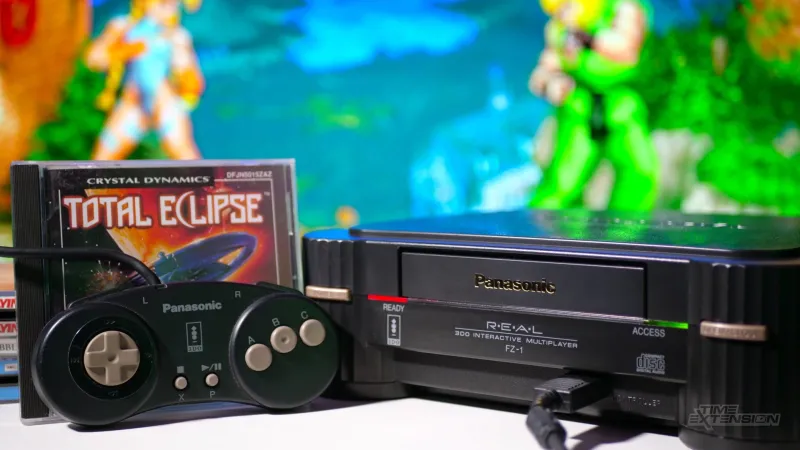
Dvodnenko, whose work on the Sega Saturn core has been lauded for its impressive accuracy and performance, is no stranger to the intricate details of console architecture. His acknowledgment that perfect 3DO emulation on the MiSTer is out of reach suggests that the 3DO's unique hardware design presents a particularly formidable hurdle. The 3DO Interactive Multiplayer, released in the early 1990s, was a bold experiment in console design, featuring a modular architecture and a powerful custom chipset. This complexity, while innovative for its time, can translate into significant difficulties when attempting to precisely replicate its behavior in an FPGA environment. Unlike more straightforward architectures, the 3DO's custom processors and unique memory management schemes may not map cleanly onto the FPGA's reconfigurable logic.
The concept of "accuracy" in emulation is also a nuanced one. For many users, a playable and enjoyable experience that closely approximates the original hardware is sufficient. However, for purists and developers alike, "absolute accuracy" implies a bit-for-bit, cycle-accurate replication of the original console's behavior, including all its quirks and undocumented features. Achieving this level of fidelity often requires an intimate understanding of the original hardware's timing, signal integrity, and even its electrical characteristics. When an FPGA core is developed, it's essentially a digital recreation of the original hardware's components and their interactions. If the original hardware had subtle timing dependencies or analog components that are difficult to model accurately in the digital domain, then perfect replication becomes a significant challenge.
Dvodnenko's honesty about the limitations of the 3DO core is a testament to his commitment to transparency and realistic expectations within the MiSTer community. It allows users to understand the challenges involved and appreciate the significant effort that still goes into creating the best possible approximation of the 3DO experience on the MiSTer. While "absolute accuracy" may be elusive, the goal remains to deliver a highly playable and faithful representation of the 3DO's library, ensuring that these classic games can continue to be enjoyed by a new generation of enthusiasts.
3DO FPGA Core "Cannot Be Accurate On The MiSTer" Says Creator
Admin
Apr 14, 2026
2 Views
3 min read
Source:
Time Extension