40 Years After the Meltdown, War Layers Another Disaster on Chernobyl
Admin
1 Views
2 min read
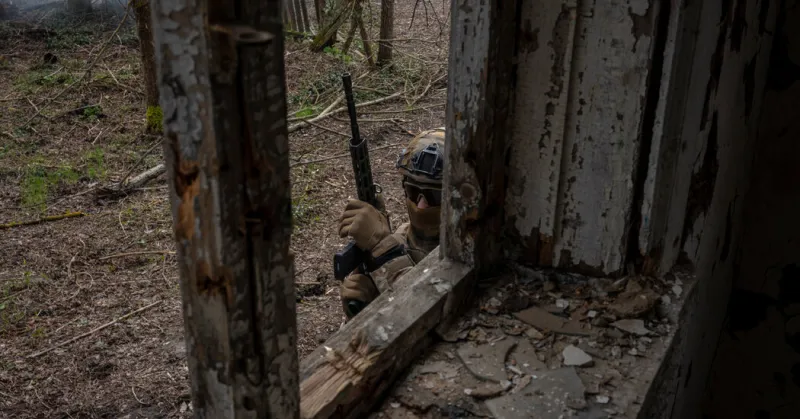
Forty years after the catastrophic meltdown at the Chernobyl Nuclear Power Plant, the site of the world's worst nuclear disaster is once again a focal point of international concern, this time due to the ongoing war in Ukraine. The exclusion zone, established in 1986 after the reactor explosion released massive amounts of radiation into the atmosphere, has become a strategically important area for both Russia and Ukraine. Russian forces occupied the Chernobyl site in the early days of the full-scale invasion in February 2022, raising alarms about the potential for a new nuclear incident. The presence of troops in the highly contaminated territory, coupled with the disruption of vital safety and monitoring systems, sparked fears of radiation leaks and the re-suspension of radioactive dust. While immediate catastrophic events were narrowly avoided, the long-term implications of this military occupation are still unfolding. The war has not only disrupted ongoing scientific research and decommissioning efforts at the plant but has also added a layer of insecurity to a region already burdened by decades of environmental remediation. For Ukraine, the Chernobyl zone represents a complex challenge. On one hand, there are long-term visions for its potential economic benefits, such as harnessing its vast land for renewable energy projects like solar farms or exploring its unique ecosystem for scientific research. The idea of transforming the exclusion zone into a hub for innovation and sustainable development has been discussed. However, these aspirations are currently overshadowed by the immediate realities of conflict. The ongoing hostilities mean that the zone's primary function for the foreseeable future will remain that of an army-controlled security belt, a buffer between opposing forces. This military control complicates any plans for economic development or large-scale scientific endeavors. The environmental legacy of Chernobyl is profound, and the war has introduced new risks and uncertainties. The international community remains vigilant, monitoring the situation closely and offering support for Ukraine's efforts to manage the ongoing crisis at Chernobyl, a site that tragically symbolizes both human error and the enduring power of nature's resilience, now further tested by the ravages of war.
Source:
The New York Times