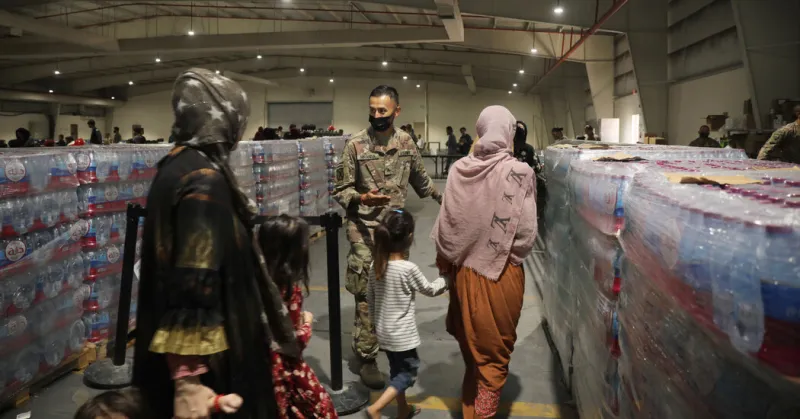
A distressing narrative is emerging from Afghanistan, where individuals who bravely aided U.S. forces during the conflict now find themselves facing an unbearable dilemma: either resettlement in the Democratic Republic of Congo or a perilous return to their homeland under Taliban rule. These Afghan allies, who risked their lives and security in support of American objectives, were once promised a pathway to the United States through the Special Immigrant Visa (SIV) program. However, years of bureaucratic delays, complex processing, and shifting priorities have left many in a state of profound uncertainty and despair.
The current situation represents a significant failure to uphold commitments made to those who demonstrated loyalty and courage. The SIV program, intended to provide refuge for those who served alongside American forces, has been criticized for its protracted timelines and the immense hardship it has imposed on applicants. For those who have waited years, the current options are far from ideal. Relocation to the Democratic Republic of Congo, a nation grappling with its own significant internal challenges and lacking the robust infrastructure to adequately support a new population of refugees, is viewed with deep apprehension. Many fear that this option offers little stability or prospect for a secure future.
Perhaps more alarming is the prospect of returning to Afghanistan. Under the current Taliban regime, individuals who collaborated with U.S. forces face severe risks of retribution, persecution, and even violence. This grim reality forces these individuals to choose between two deeply unfavorable outcomes, highlighting a profound sense of abandonment and a betrayal of trust. Their plight serves as a stark reminder of the ethical obligations nations have towards their allies and the urgent need for efficient, humane, and timely processing of immigration applications for those who have made significant sacrifices.
Afghans Who Helped U.S. Forces Say They’re Being Pushed Back to the Taliban
Admin
1 Views
2 min read
Source:
The New York Times