Alabama petitions SCOTUS, Ivey signs redistricting bills in preparation
Admin
1 Views
2 min read
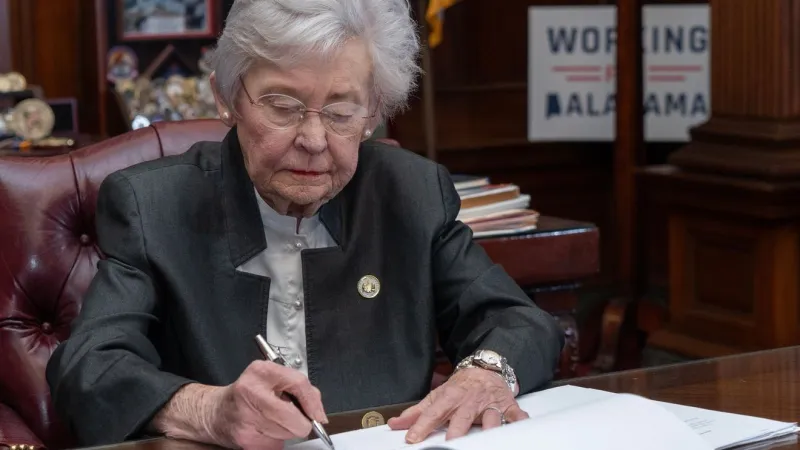
In a significant move signaling preparation for potential legal battles, Alabama Governor Kay Ivey has signed several redistricting bills into law. This action comes as the state's Republican leadership is also petitioning the U.S. Supreme Court. The legislative session, which has reportedly been marked by chaos at the courthouse, underscores the urgency and high stakes surrounding the redrawing of electoral maps. The core issue revolves around the creation of new congressional districts that comply with federal law, specifically the Voting Rights Act, which mandates that minority voters have an equal opportunity to elect their preferred candidates. Recent court rulings have indicated that Alabama's previous congressional map likely diluted the voting power of Black residents, necessitating the creation of a second majority-Black congressional district. Governor Ivey's signing of the redistricting bills indicates the state's attempt to establish new districts that they hope will satisfy legal requirements. However, the decision to petition the Supreme Court suggests a desire to bypass or influence the federal judiciary's review process, perhaps seeking a favorable interpretation or a swift resolution. The legal landscape surrounding redistricting is often contentious, as it directly impacts political power and representation. The Republican party, which currently holds a majority in Alabama's congressional delegation, has a vested interest in maintaining its advantage. The creation of a new district, particularly one that is likely to elect a Democratic representative, could shift the balance of power. The Supreme Court's involvement, whether through direct review or by considering Alabama's petition, will be crucial in determining the final configuration of the state's electoral map. The outcome of these legal and legislative maneuvers will have profound implications for Alabama's representation in Congress and the political future of the state. The governor's anticipation of a "favorable outcome" suggests confidence in their strategy, but the opposition from civil rights groups and legal experts who argue that the new maps still fall short of full compliance remains a significant challenge. The situation highlights the ongoing tension between partisan political interests and the imperative of ensuring fair and equitable representation for all citizens.
Source:
WTVC