An 'Open for Open' Hormuz Deal Could Break the Iran Stalemate
Admin
3 Views
2 min read
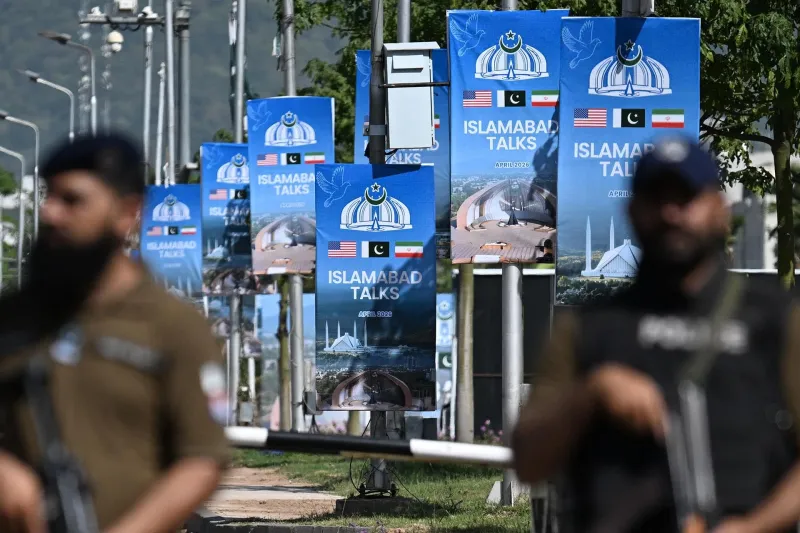
This article, published by the Council on Foreign Relations, proposes a strategic approach to de-escalate tensions and resolve the ongoing stalemate involving Iran and the United States, specifically concerning the Strait of Hormuz. The core of the proposal is an "Open for Open" deal, which suggests a reciprocal lifting of blockades or restrictions. The author argues that immediate economic pressures on both nations should be the catalyst for decoupling the issue of the Strait of Hormuz from the broader, more intricate negotiations surrounding Iran's nuclear program. The Strait of Hormuz is a vital chokepoint for global oil transportation, and any disruption or blockade in this region has significant implications for international energy markets and the global economy. The current situation likely involves mutual blockades or restrictions, where either the US or Iran, or both, have imposed measures that impede the free flow of maritime traffic through the strait. The article posits that by separating the Hormuz issue, a quicker and more achievable resolution can be found. This "Open for Open" concept implies that if one party lifts its restrictions or blockades on the strait, the other party should reciprocate. This could involve Iran ceasing any actions that hinder passage and the US lifting sanctions or naval presence that could be perceived as a blockade. The rationale behind decoupling this issue is that the nuclear negotiations are inherently complex, protracted, and prone to deadlock. Focusing on a more tangible and immediately impactful issue like the Strait of Hormuz could build trust, create momentum, and provide a partial victory for both sides, potentially paving the way for progress on the nuclear front. The article advocates for pragmatic diplomacy driven by economic realities, suggesting that both the US and Iran have compelling economic incentives to ensure the unimpeded passage through this critical waterway.
Source:
Council on Foreign Relations