Antibodies can selectively shut down harmful T cells without weakening whole immune system
Admin
1 Views
2 min read
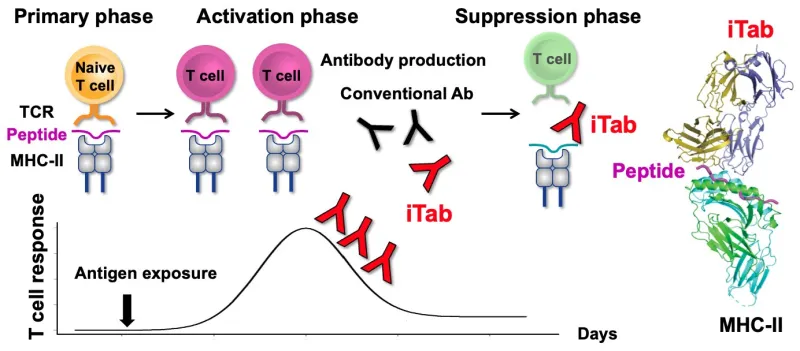
A groundbreaking development in immunology offers a new ray of hope for individuals suffering from autoimmune diseases. Researchers have discovered a novel method utilizing antibodies that can selectively target and deactivate harmful T cells, a key component of the immune system that mistakenly attacks the body's own healthy tissues. This selective approach promises to circumvent a major challenge in treating autoimmune conditions: the risk of broadly suppressing the immune system, leaving patients vulnerable to infections. The immune system, a complex network of cells and organs, is designed to defend the body against external threats like bacteria and viruses. However, in autoimmune diseases such as multiple sclerosis, rheumatoid arthritis, and lupus, this defense mechanism goes awry, leading the immune system to identify self-cells as foreign invaders. T cells, a type of white blood cell, play a crucial role in orchestrating immune responses. In autoimmune diseases, certain T cells become overactive or misdirected, contributing to chronic inflammation and tissue damage. Current treatments often involve broad immunosuppression, which, while managing symptoms, can weaken the body's overall ability to fight off infections, posing significant health risks to patients. The newly developed antibody-based therapy offers a more refined solution. By specifically targeting the aberrant T cells responsible for the autoimmune attack, the therapy aims to restore immune balance without compromising the body's general defenses. This precision targeting is a significant leap forward, potentially leading to more effective treatments with fewer side effects. The research, detailed in recent medical publications, indicates that these specialized antibodies can bind to specific markers on the surface of harmful T cells, triggering their inactivation or elimination. This selective action ensures that the body's healthy cells and its ability to combat genuine pathogens remain intact. The potential implications of this discovery are vast, opening doors for the development of new therapeutic strategies for a range of debilitating autoimmune conditions. Further clinical trials are underway to assess the safety and efficacy of these antibody-based treatments in human patients. If successful, this breakthrough could revolutionize the management of autoimmune diseases, offering patients a path to a better quality of life with improved immune function and reduced risk of infection.
Source:
Medical Xpress