Are you buying fake skincare products online? The problem is more common than you think
Admin
1 Views
2 min read
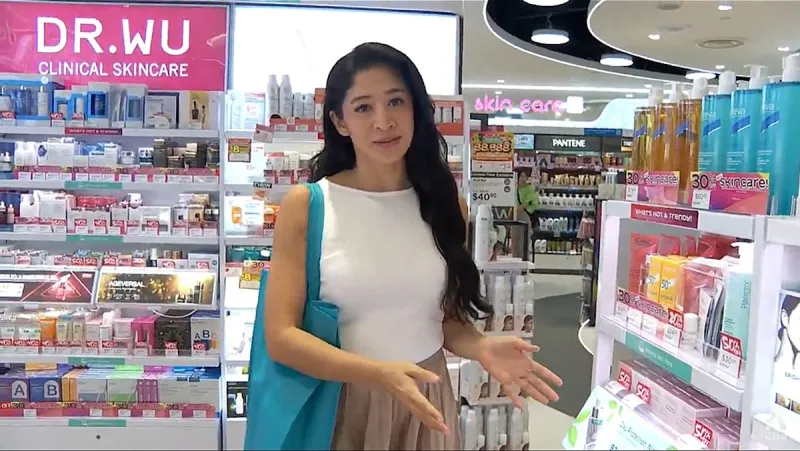
A recent investigation into Singapore's burgeoning e-commerce market has uncovered a concerning trend: the prevalence of counterfeit skincare products being sold online. Laboratory tests conducted on various skincare items have revealed significant discrepancies between products purchased through online platforms and their authentic counterparts available at authorized retail outlets. This disparity raises serious alarms regarding consumer safety, the risks associated with counterfeit goods, and the overall awareness levels within the digital marketplace. The "Talking Point" report delves into these issues, highlighting the potential dangers consumers face when unknowingly purchasing fake skincare. These products may contain harmful or unregulated ingredients, leading to adverse skin reactions, allergic responses, or even long-term health consequences. The counterfeiters often mimic the packaging and branding of legitimate products, making it difficult for consumers to distinguish between genuine and fake items. This sophisticated deception preys on the convenience and accessibility offered by online shopping. Experts interviewed in the report emphasize the importance of consumer vigilance and the need for robust regulatory oversight to combat this growing problem. They advise consumers to exercise caution when shopping for skincare online, recommending purchases only from reputable sellers and authorized retailers. Checking for tell-tale signs of tampering, verifying product authenticity through official channels, and being wary of unusually low prices are crucial steps in avoiding counterfeit products. The report also touches upon the challenges faced by regulatory bodies in effectively policing the vast and often anonymous landscape of online commerce. The ease with which counterfeit goods can be distributed globally poses a significant hurdle. The findings underscore the critical need for increased consumer education and awareness campaigns to empower shoppers with the knowledge to identify and avoid fake products. As e-commerce continues to grow, so does the sophistication of counterfeit operations, making it imperative for both consumers and authorities to remain vigilant and proactive in safeguarding public health and market integrity. The stark differences identified in lab tests are not merely cosmetic; they point to fundamental issues with formulation, ingredient quality, and potentially the absence of essential active components found in genuine products, or the presence of dangerous contaminants.
Source:
CNA