Australia to Tackle ‘Unacceptable’ Housing Market, Chalmers Says
Admin
2 Views
2 min read
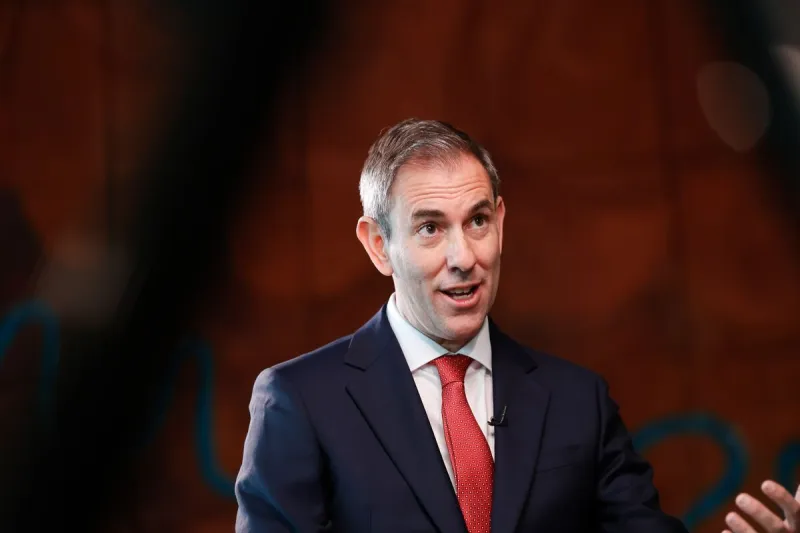
Australia's Treasurer, Jim Chalmers, has declared that the government intends to confront the nation's increasingly unaffordable housing market. In an announcement concerning the upcoming federal budget, Chalmers indicated that significant measures will be introduced to address the persistent issue of soaring home prices. The core objective is to create pathways for more Australians to enter the property market and establish a stake in homeownership, a long-held aspiration for many. The current state of the Australian housing market is characterized by rapid price escalation, driven by a confluence of factors including supply shortages, strong demand, and potentially speculative investment. This has rendered it exceptionally difficult for first-home buyers and those on lower to middle incomes to secure a property, leading to growing concerns about housing affordability and intergenerational wealth inequality. Chalmers' statement suggests a policy shift towards actively intervening in the market rather than relying solely on market forces. The upcoming budget is expected to outline specific initiatives, which could include a range of policy levers. These might encompass measures to boost housing supply, such as streamlining planning regulations and incentivizing construction; reforms to negative gearing and capital gains tax on investment properties; direct financial assistance or subsidies for eligible buyers; or even policies aimed at curbing foreign investment in residential real estate. The emphasis on making it "easier for people to gain a foothold" implies a focus on accessibility and affordability, aiming to level the playing field for aspiring homeowners. This proactive stance reflects a recognition of the social and economic consequences of an overheated housing market, including increased rental stress, reduced disposable income for homeowners, and potential impacts on broader economic growth. The government's commitment to tackling this "unacceptable" situation signals a significant policy priority for the current administration.
Source:
Bloomberg.com