Australia's Floating Solar Array Is Doing A Lot More Than Generating Electricity
Admin
2 Views
2 min read
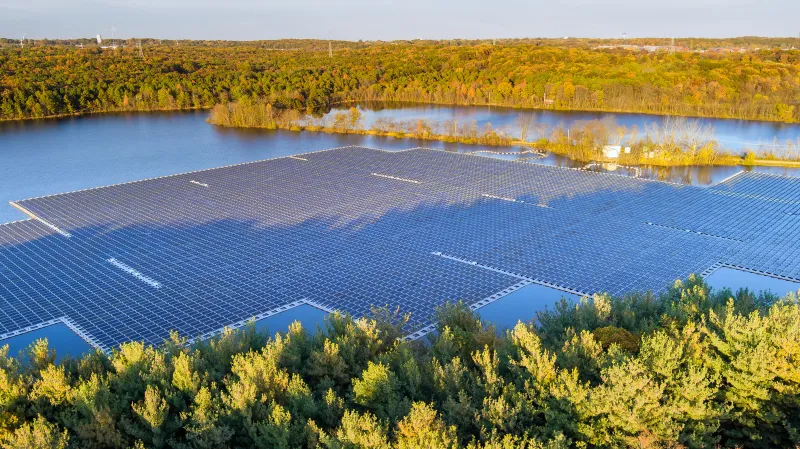
In a significant development for renewable energy and water conservation, Australia's pioneering floating solar array is proving to be a multifaceted solution, extending its benefits far beyond mere electricity generation. While the primary objective of these innovative installations is to harness solar power and contribute to the grid, recent findings highlight an additional, crucial advantage: the substantial reduction of water evaporation. This is particularly noteworthy in regions facing water scarcity, where every drop counts. The floating solar array, deployed on a body of water, acts as a physical barrier, effectively shading the water surface beneath it. This shading significantly mitigates the rate at which water evaporates into the atmosphere, a process that can lead to considerable water loss, especially in hot and arid climates. For Australia, a continent often characterized by its dry conditions and susceptibility to drought, this dual benefit is invaluable. By reducing evaporation, the floating solar array helps to conserve precious water resources, which can then be allocated for agricultural, industrial, or domestic use. The technology integrates seamlessly with existing water infrastructure, offering a sustainable approach to energy production and water management. The concept of floating solar arrays, also known as floatovoltaics, has gained considerable traction globally as a means to address the growing demand for clean energy while minimizing the land footprint typically associated with solar farms. Their deployment on reservoirs, lakes, and other water bodies offers a smart use of existing infrastructure. The Australian project serves as a compelling case study, demonstrating that the environmental and economic advantages of such systems can be significantly amplified. This innovation not only contributes to the nation's renewable energy targets but also plays a vital role in preserving water resources, a critical concern for the continent's future sustainability. The success of this project could pave the way for wider adoption of similar technologies across water-stressed regions worldwide, offering a tangible solution to two pressing global challenges: climate change and water scarcity.
Source:
bgr.com