Businesses are increasingly opting to pay premium prices, reportedly reaching up to $4 million, to transit the Panama Canal, citing it as a safer alternative to the Strait of Hormuz. This significant expenditure reflects a growing concern over geopolitical instability and security risks associated with maritime trade routes, particularly in the Middle East. The Strait of Hormuz, a critical chokepoint for global oil shipments, has been a focal point of regional tensions, making shipping companies wary of potential disruptions and dangers.
While passage through the Panama Canal typically operates on a fixed rate system with reservations, companies that have not secured advance bookings are resorting to auctions to secure transit slots. These auctions can drive up the costs considerably, with the highest bidder winning the opportunity to pass through the canal. This premium pricing mechanism highlights the high demand for the canal's services and the perceived value of its relative security and stability compared to more volatile routes.
The decision to spend substantial sums to use the Panama Canal underscores the economic impact of geopolitical events on global supply chains. Shipping companies are willing to bear these increased costs to ensure the timely and secure delivery of their goods, especially in an era of heightened global uncertainty. The Panama Canal's strategic location and its established infrastructure offer a more predictable and less risky passage for vessels, making it an attractive, albeit expensive, option for businesses seeking to mitigate risks in international trade. This trend also points to the canal's enduring importance as a vital artery for global commerce, capable of rerouting significant trade volumes in response to international security concerns.
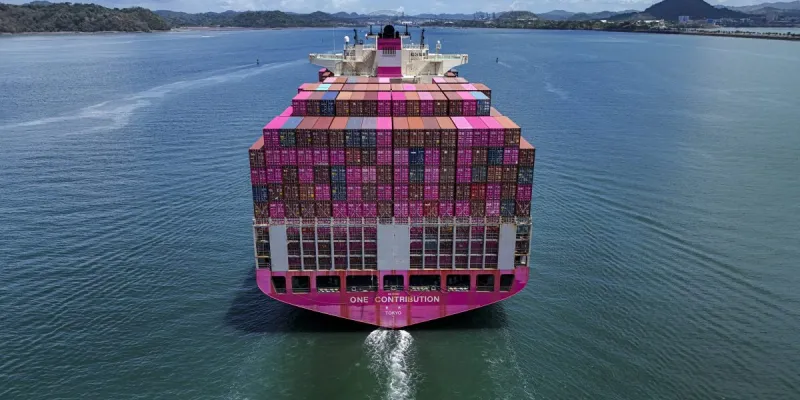
Businesses spending $4 million to cross the Panama Canal as 'it’s safer' than the Strait of Hormuz
Admin
2 Views
2 min read
Source:
Fortune