Canada-U.S. ties are now a ‘weakness’
Admin
1 Views
2 min read
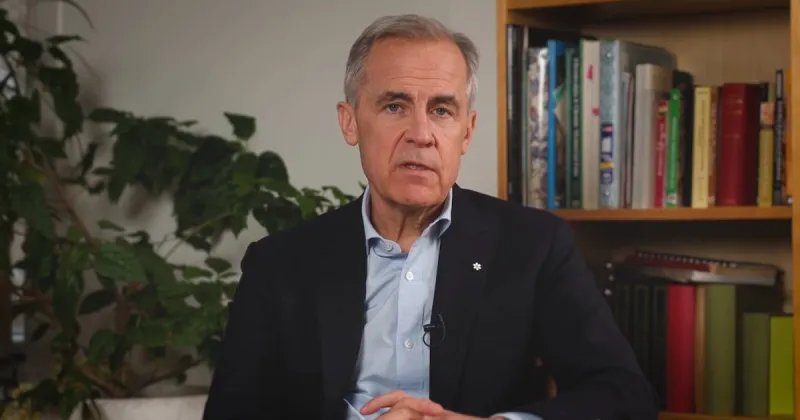
Prime Minister Mark Carney has delivered a stark and unprecedented assessment of Canada's relationship with the United States, declaring it a "weakness" that requires immediate and significant correction. This dramatic reframing comes amidst the ongoing complexities and perceived unpredictability of the Trump administration, casting a long shadow over the historically close bilateral ties. In a direct address to the nation, Carney articulated a vision where Canada must actively recalibrate its approach to its powerful southern neighbor, moving away from an assumed interdependence towards a more assertive and independent stance. The Prime Minister's remarks suggest a fundamental shift in Canadian foreign policy, acknowledging that the traditional reliance on the U.S. market and security umbrella, while once a source of strength, has now become a vulnerability. This vulnerability, Carney implied, is amplified by the current political climate in Washington, where trade disputes, protectionist policies, and a perceived disregard for established international norms have created an environment of uncertainty for Canadian businesses and citizens alike. The urgency of the situation is underscored by the Prime Minister's call for "urgent correction," indicating that the status quo is no longer tenable. This may involve diversifying trade partners, strengthening domestic industries to reduce reliance on U.S. imports, and bolstering Canada's own defense and security capabilities. The speech signals a recognition that Canada can no longer afford to be passively influenced by the dynamics of American politics and must proactively shape its own destiny. The implications of this declaration are far-reaching, potentially impacting everything from trade negotiations and investment to cultural exchange and border security. Canadian policymakers will undoubtedly be tasked with developing concrete strategies to implement this new paradigm, ensuring that Canada's sovereignty and economic well-being are protected in an increasingly volatile global landscape. The shift in rhetoric reflects a growing sentiment within Canada that the country needs to stand more firmly on its own two feet, particularly when faced with a U.S. administration that has demonstrated a willingness to challenge long-held alliances and trade agreements. The challenge for Carney and his government will be to translate this bold declaration into tangible policy changes that foster resilience and independence without irrevocably damaging the essential, albeit now re-evaluated, relationship with the United States.
Source:
CP24