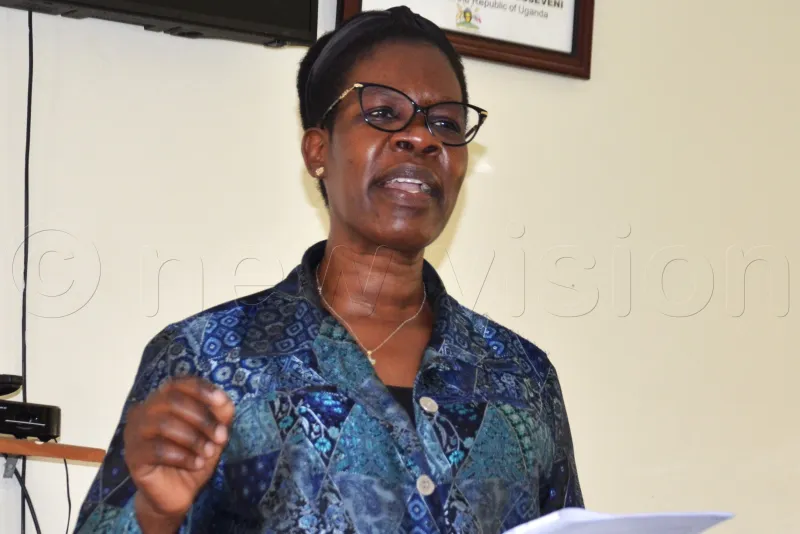
Dr. Okiria, the Deputy Inspector General of Government (IGG), has issued a stern directive to public officials in West Nile, Uganda, demanding strict adherence to the Leadership Code Act. The directive, delivered during a meeting at the Arua City Hall on April 15, 2026, specifically targets officials from the Arua City Council and the Arua Regional Referral Hospital. Dr. Okiria emphasized that these officials have a strict deadline, until the 30th of April 2026, to comply with the mandatory declaration of their income, assets, and liabilities.
The Leadership Code Act is a crucial piece of legislation in Uganda aimed at promoting good governance, accountability, and transparency among public officers. It requires individuals in leadership positions to declare their financial standing periodically to prevent corruption, illicit enrichment, and conflicts of interest. The mandatory declaration serves as a mechanism to ensure that public officials are not using their positions for personal gain and that their wealth is commensurate with their legitimate earnings.
Dr. Okiria's challenge to the West Nile officials underscores the government's commitment to rooting out corruption and ensuring that public resources are managed responsibly. The focus on Arua City Council and the Regional Referral Hospital indicates a targeted effort to address potential issues within these specific public institutions, which are vital for service delivery to the local population. By setting a clear deadline and emphasizing the legal ramifications of non-compliance, the Deputy IGG aims to instill a sense of urgency and seriousness regarding these declarations.
Failure to comply with the Leadership Code Act can have severe consequences, including disciplinary action, fines, and even imprisonment, depending on the severity of the offense. The Act is designed to uphold public trust and ensure that those entrusted with public office serve the public interest diligently and ethically. The challenge from Dr. Okiria is not merely a procedural reminder but a call to action for these officials to uphold their fiduciary duties and demonstrate their commitment to public service.
The broader context of this directive is the ongoing effort by the Ugandan government to strengthen its anti-corruption frameworks and improve public sector performance. By holding public officials accountable for their financial dealings, the government aims to foster an environment where integrity and ethical conduct are paramount. The success of such initiatives relies heavily on consistent enforcement and the active participation of all stakeholders, including the public, in demanding transparency and accountability from their leaders. The challenge to the West Nile officials is a significant step in this direction, aiming to ensure that public funds are utilized effectively for the betterment of the community and that the welfare of the people is prioritized.
Deputy IGG challenges West Nile officials to meet weal
Admin
1 Views
3 min read
Source:
newvision.co.ug