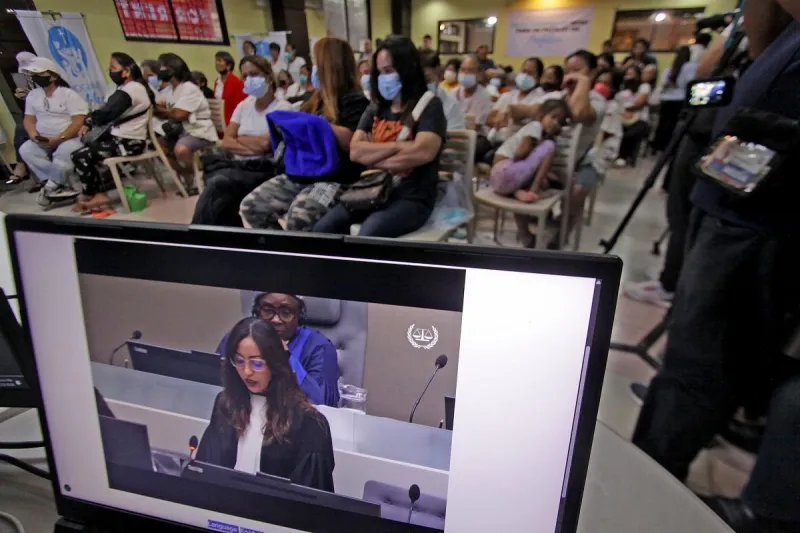
Duterte’s ICC case questions whether justice can be done
Admin
6 Views
2 min read
The ongoing International Criminal Court (ICC) case involving former Philippine President Rodrigo Duterte has ignited a complex debate that extends far beyond the confines of a single trial. It probes fundamental questions about the very nature of justice, particularly in the context of international law and national sovereignty. Duterte's presidency was marked by a brutal "war on drugs" that resulted in thousands of alleged extrajudicial killings, prompting the ICC to launch an investigation into potential crimes against humanity. The legal proceedings, however, are fraught with challenges, not least of which is the question of whether justice can truly be served when the accused is no longer in power and the national government appears resistant to full cooperation. This situation raises critical issues regarding the ICC's legitimacy and effectiveness. Can international justice mechanisms hold powerful individuals accountable, especially when faced with a recalcitrant state? The case also highlights the perennial tension between international law and national sovereignty. While the ICC aims to prosecute individuals for the most serious international crimes, nations often view such interventions as infringements on their sovereign rights. Duterte himself has been a vocal critic of the ICC, withdrawing the Philippines from the court's jurisdiction during his term, further complicating the legal avenues available. The implications of this case are far-reaching. For Duterte's legacy, it represents a potential stain on his image as a strong leader, as he may be remembered for alleged human rights abuses. More broadly, the outcome, or even the process, of this trial could significantly impact the future of international justice in Southeast Asia and beyond. It could set a precedent for how similar cases are handled, influencing the willingness of victims to seek redress through international channels and the assertiveness of international bodies in pursuing accountability. The debate also touches upon the effectiveness of accountability mechanisms in transitional justice settings and the role of domestic legal systems in addressing mass atrocities. Ultimately, the Duterte ICC case is a stark reminder that the pursuit of justice is an intricate and often arduous journey, fraught with political, legal, and ethical complexities.
Source:
East Asia Forum