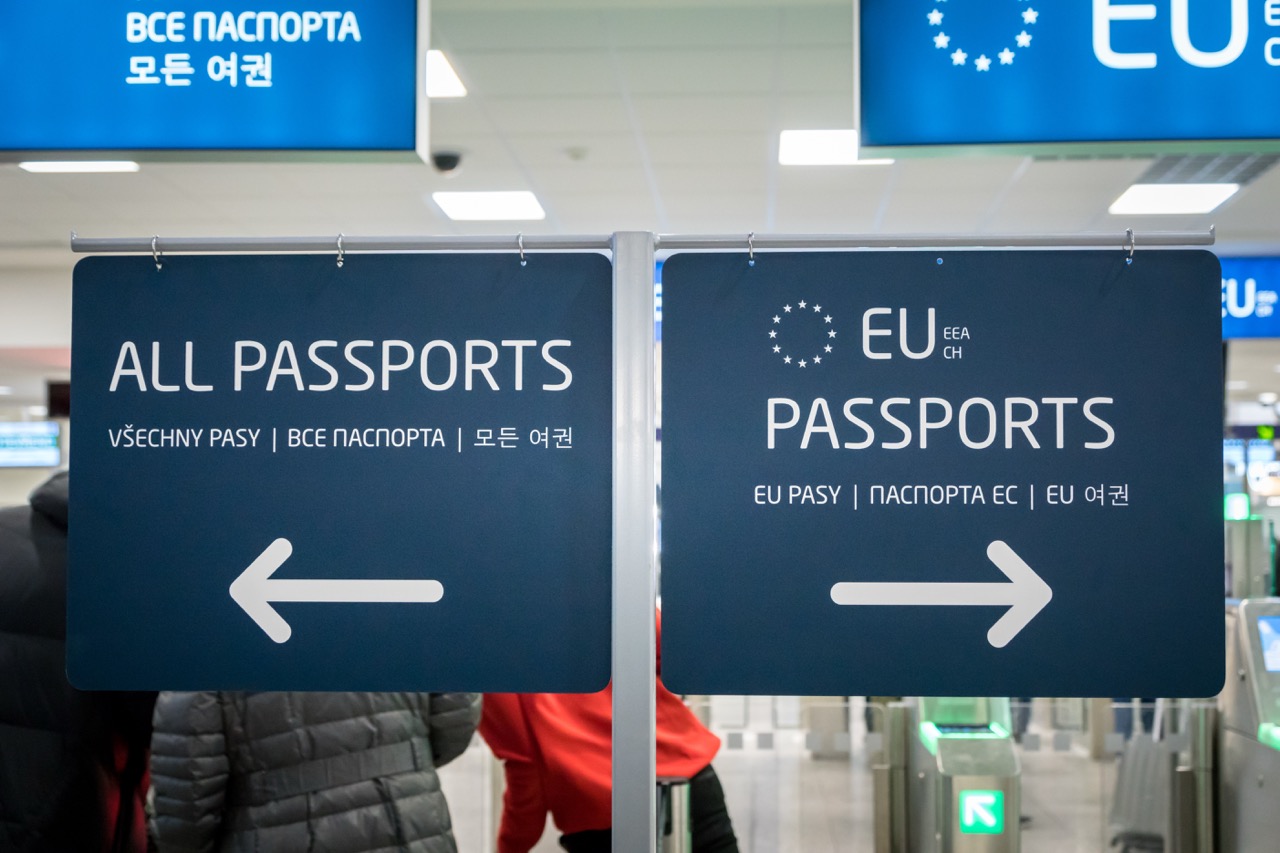
The European Union's new Entry/Exit System (EES), which became operational on April 10, has created substantial logistical challenges at airports throughout Europe, with authorities already issuing warnings about extensive passenger delays.
The EES represents a significant upgrade to the EU's border management infrastructure, designed to enhance security and streamline immigration processing by electronically recording entry and exit data for all non-EU citizens traveling to the bloc. In theory, the system should improve efficiency and security; in practice, the initial implementation has created considerable bottlenecks.
Airports from major European hubs to smaller regional facilities have reported processing backlogs that have substantially increased passenger wait times at border control checkpoints. The delays affect both arriving and departing passengers, disrupting travel schedules and creating frustration throughout the aviation system.
The problems stem from several factors. System reliability issues have plagued the initial rollout, with technical malfunctions causing intermittent outages at critical checkpoints. Additionally, border control personnel require adequate training to efficiently operate the new technology, and such comprehensive staff training takes time to implement systematically across dozens of airports.
The volume of data being processed also underestimated the system's computational demands. Peak travel periods have revealed that the infrastructure cannot simultaneously process the volume of passengers typical of busy European airports, creating cascading delays that affect flight schedules and subsequent passengers.
Airline operators and tourism authorities have expressed concerns about the long-term impact of these delays on business confidence and travel patterns. Passengers facing extended waiting times may reconsider European travel plans or attempt to modify their itineraries, potentially affecting revenue for airlines and hospitality sectors.
EU officials have acknowledged the implementation challenges and committed to working with airport operators and national authorities to resolve technical issues and optimize processing efficiency. System updates and additional computational resources are being deployed.
Historically, major border system implementations have required several weeks to months before achieving optimal operational efficiency. Whether the EES follows this typical trajectory or experiences more persistent problems remains to be seen. For now, travelers should anticipate extended processing times at European airports until the system stabilizes.
EU's New Entry/Exit System Triggers Severe Airport Delays Across Europe
Admin
Apr 11, 2026
3 Views
2 min read
Source:
Aerospace Global News