Fitbit Just Ditched the Screen. Meet the $99 Fitness Tracker That Changes Everything
Admin
4 Views
2 min read
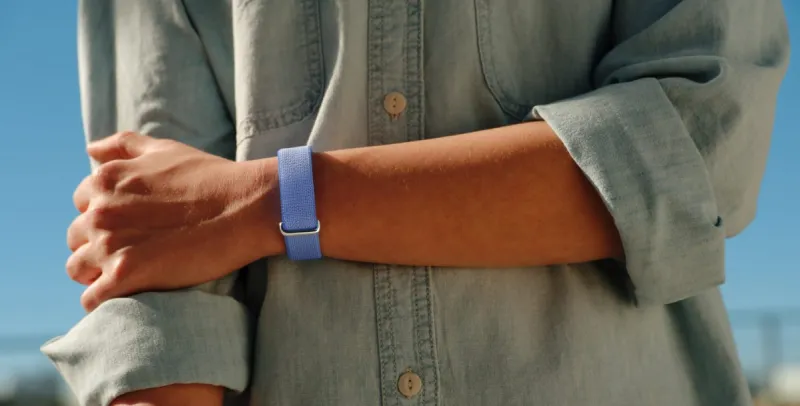
In a bold move that redefines the category of wearable fitness trackers, Fitbit has introduced the 'Fitbit Air,' a device that notably abandons a traditional screen. Priced at an accessible $99, this innovative tracker is designed for users who prioritize a minimalist approach to health monitoring and are looking for a device that seamlessly integrates into their daily lives without the constant distraction of a display. Instead of a visual interface, the Fitbit Air relies on haptic feedback – subtle vibrations – to communicate key information to the wearer. This means users will receive alerts and notifications through gentle pulses, encouraging a more intuitive and less intrusive way of staying connected to their fitness data. The absence of a screen also contributes to several key advantages. Foremost among these is an extended battery life, with the Fitbit Air boasting an impressive weeklong power reserve on a single charge. This significantly reduces the frequency of charging, making it a more convenient companion for continuous wear. Furthermore, the stripped-down design fosters a simpler, more focused approach to health tracking. Users are encouraged to engage with their data through a companion app, allowing for deeper insights and analysis without the immediate temptation to constantly check their device. This design philosophy aims to reduce screen time and promote a more mindful interaction with technology. The $99 price point makes advanced fitness tracking more accessible to a wider audience, democratizing the benefits of wearable technology. The Fitbit Air represents a significant shift in how fitness trackers can be designed, prioritizing core functionality and user experience over feature bloat. It's a clear statement from Fitbit that while screens have been a staple, they are not essential for effective health monitoring, offering a compelling alternative for those seeking a less screen-dependent and more integrated wearable experience.
Source:
PCMag Australia