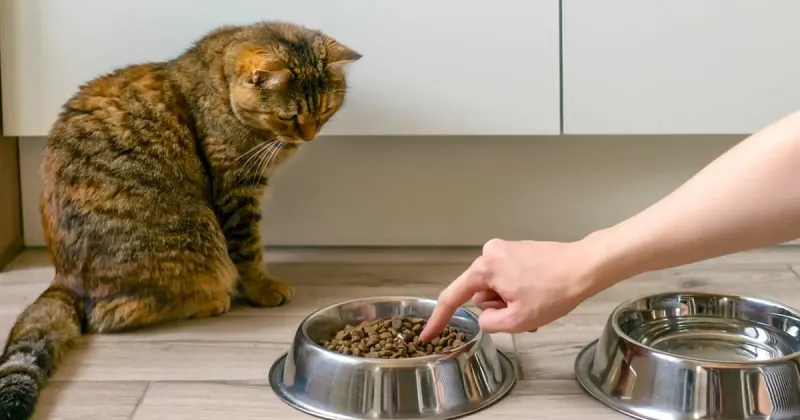
For cat owners worldwide, the mystery of the half-eaten bowl has been a persistent puzzle. Why do our feline companions, often perceived as creatures of habit and precision, leave a significant portion of their meticulously prepared meals untouched? While the common assumption has long been that cats simply become full, new scientific research is shedding light on a more complex and perhaps even relatable reason: smell fatigue. A recent study, detailed by Free Malaysia Today, suggests that it's not just the quantity of food that deters our whiskered friends, but the overwhelming and persistent aroma of their meals.
Cats possess an incredibly acute sense of smell, far superior to that of humans. This heightened olfactory capability allows them to detect subtle nuances in their environment, including the complex scents within their food. However, this same sensitivity can lead to a phenomenon known as smell fatigue. When a cat is presented with food, especially if it's the same type of food day after day, their olfactory receptors can become desensitized to the constant bombardment of the same scent. This means that after an initial period of eating, the aroma of the food, which initially signaled palatability and nutrition, begins to fade in its appeal.
The study hypothesizes that this smell fatigue can lead to a perceived lack of freshness or interest in the food, even if its nutritional content remains perfectly adequate and the cat is not physically full. In essence, the food starts to smell 'old' or 'boring' to the cat, prompting them to disengage from the meal. This is analogous to how humans might lose their appetite for a particular dish if they smell it too intensely or for too long.
This scientific explanation offers a new perspective for pet owners struggling with their cats' eating habits. Instead of assuming pickiness or a lack of hunger, owners might consider the olfactory environment of their cat's feeding area. Factors such as the type of food bowl used, the frequency of cleaning, and even the placement of the food in relation to other strong scents could play a role. Some potential solutions suggested by this understanding include varying the types of food offered, ensuring food is served fresh, and maintaining a clean and odor-free feeding station. By understanding the science behind their feline friends' behavior, owners can better cater to their unique sensory needs and ensure their cats are not just fed, but truly satisfied with their meals.
Fussy or fed up? Science explains felines’ unfinished food
Admin
1 Views
3 min read
Source:
Free Malaysia Today