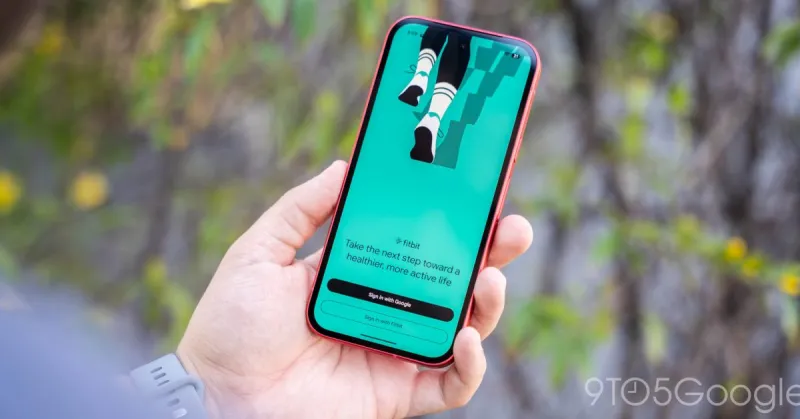
In a move that signifies a significant shift in Google's health and wellness strategy, the tech giant has announced the sunsetting of the standalone Fitbit app. Effective immediately, users will be directed to the new 'Google Fit' platform, which will integrate all Fitbit functionalities. This decision, while potentially jarring for long-time Fitbit users accustomed to the familiar interface, could represent a more streamlined and cohesive future for wearable health technology under Google's umbrella.
The announcement comes alongside the unveiling of new Fitbit hardware, including the much-anticipated Fitbit Air. However, the true headline is the consolidation of the Fitbit ecosystem into Google's broader health offerings. The legacy Fitbit app, which has been the central hub for tracking activity, sleep, heart rate, and various health metrics for millions, will cease to exist in its current form. All data and user profiles are expected to be migrated seamlessly to Google Fit, promising a unified experience.
For many, the Fitbit app was more than just a data tracker; it was a trusted companion in their health journey. Its intuitive design and comprehensive features made it a leader in the wearable fitness market. The prospect of losing this familiar interface and potentially facing a learning curve with a new platform might evoke apprehension. Concerns about data privacy, feature parity, and the overall user experience are valid and warrant close attention.
However, there's a compelling argument to be made that this consolidation is a positive step. Google's acquisition of Fitbit in 2021 was always envisioned as a way to leverage Google's vast technological resources and data analytics capabilities to enhance health tracking. By integrating Fitbit into Google Fit, the company can foster a more interconnected health ecosystem. This could lead to more advanced insights, personalized health recommendations, and a more holistic view of well-being, combining data from various Google services and third-party apps.
Furthermore, a unified platform could simplify the user experience. Instead of managing multiple health apps and devices, users might eventually have a single point of access for all their health-related information. This could also pave the way for deeper integration with other Google products, such as Pixel phones and Google Assistant, creating a more seamless and intelligent health management system. The potential for AI-driven health insights and proactive health interventions is immense. While the transition may require an adjustment period, the long-term benefits of a unified, data-rich health platform powered by Google's innovation could ultimately outweigh the initial disruption, ushering in a new era of accessible and intelligent personal health management.
Google Health kills the Fitbit we knew, but maybe that's not a bad thing
Admin
2 Views
3 min read
Source:
9to5Google