Google Translate can now help you with pronunciation
Admin
1 Views
3 min read
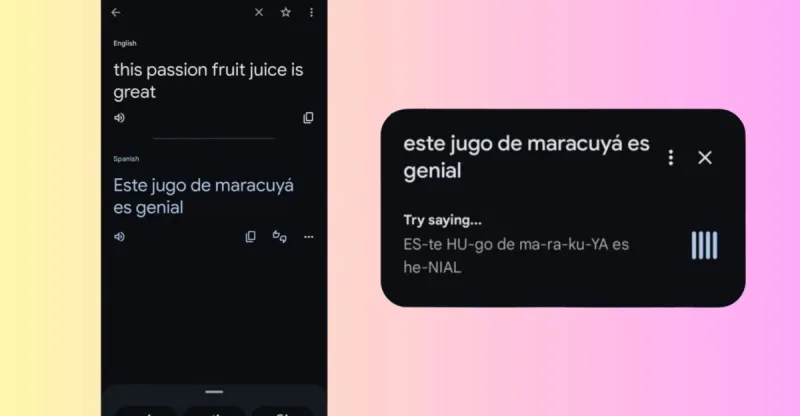
In a significant stride towards making language learning more accessible and effective, Google Translate has introduced a new AI-powered pronunciation practice feature. This innovative tool aims to address one of the most common challenges faced by language learners: achieving accurate and confident pronunciation. For years, Google Translate has been an indispensable resource for quick text and voice translations, bridging communication gaps across different languages. However, its capabilities have now expanded to include a more interactive and pedagogical function, leveraging the power of artificial intelligence to provide personalized feedback on spoken language. The core of this new feature lies in its ability to analyze a user's speech. When a user speaks a word or phrase, the AI system processes the audio, comparing it against a database of correct pronunciations. It then provides specific, actionable feedback, highlighting areas where the user's pronunciation deviates from the standard. This could include identifying mispronounced vowels, incorrect consonant sounds, improper stress patterns, or even subtle nuances in intonation that are crucial for clear communication. The goal is not just to point out errors but to guide users toward improvement. The feedback mechanism is designed to be constructive, offering suggestions on how to adjust mouth movements, tongue placement, or breath control to achieve a more accurate sound. This personalized approach is a significant departure from traditional language learning methods, which often rely on generic audio recordings or the limited availability of native speakers for practice. The AI's ability to offer real-time, individualized coaching opens up new possibilities for self-study and remote learning. Whether someone is trying to master the rolling 'r's of Spanish, the tonal variations of Mandarin, or the subtle 'th' sounds of English, this feature can provide targeted practice. Furthermore, the integration of this pronunciation tool within the existing Google Translate platform makes it incredibly convenient. Users can seamlessly transition from translating text to practicing their spoken delivery, all within the same application. This accessibility is key to encouraging consistent practice, which is vital for language acquisition. The implications of this development extend beyond individual learners. It can be a valuable asset for educators looking for supplementary tools to support their students, and for businesses aiming to improve the communication skills of their international teams. As AI continues to evolve, we can expect such tools to become even more sophisticated, offering even deeper insights into the complexities of human speech and further democratizing language education worldwide.
Source:
The Verge