Google is making significant strides in the health and wellness technology space with the unveiling of two key products: the screenless Fitbit Air and a revamped Google Health app. This dual announcement signals Google's intensified focus on integrating its vast technological capabilities into personal health management, aiming to provide users with a more comprehensive and AI-driven approach to their well-being.
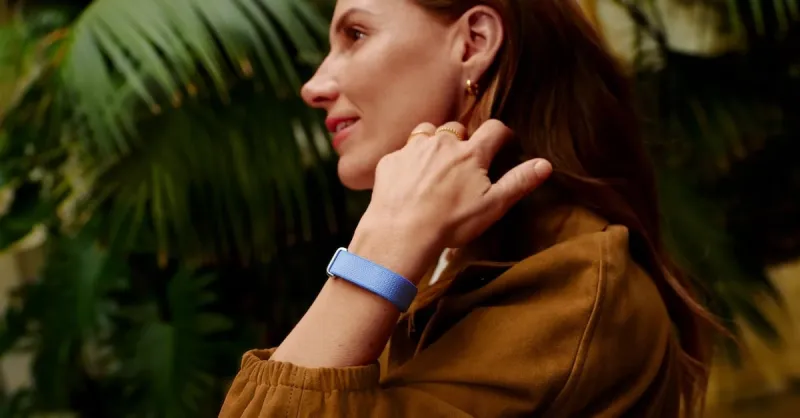
The Fitbit Air represents a notable departure from traditional wearable fitness trackers. As a 'screenless' device, it moves away from the conventional display-based interface. Instead, it likely relies on a combination of haptic feedback, audio cues, and seamless integration with the new Google Health app for user interaction and data presentation. This design choice suggests a focus on minimalist interaction, encouraging users to engage with their health data primarily through their smartphones or other connected devices. The absence of a screen could also lead to a more streamlined design, potentially longer battery life, and a lower cost, making advanced health tracking more accessible. The Fitbit Air is expected to leverage advanced sensors to monitor various health metrics, such as heart rate, sleep patterns, activity levels, and potentially even more sophisticated indicators like stress levels or blood oxygen saturation.
Complementing the Fitbit Air is the newly rebranded Google Health app, formerly known as the Fitbit app. This rebranding signifies a broader vision for Google's health platform, extending beyond fitness tracking to encompass a more holistic view of user health. The app now serves as a central hub where users can not only view their collected health data from devices like the Fitbit Air but also upload their medical records. This integration of personal health data and medical history within a single platform is a significant step towards personalized healthcare. Furthermore, the app will offer AI-enabled health coaching. This feature leverages Google's powerful AI capabilities to provide users with personalized insights, recommendations, and guidance based on their data. This could range from tailored fitness plans and nutritional advice to proactive health alerts and support for managing chronic conditions.
The synergy between the screenless Fitbit Air and the AI-powered Google Health app aims to create a powerful ecosystem for proactive health management. By minimizing direct device interaction and maximizing the intelligence of the accompanying app, Google is pushing the boundaries of how technology can support individual health journeys. This move positions Google as a major player in the digital health landscape, offering a compelling alternative to existing health tracking solutions.
Google unveils screenless Fitbit Air, new Google Health app
Admin
1 Views
3 min read
Source:
MobiHealthNews