Group of B.C. First Nations wants recent treaties paused, says they weren’t consulted
Admin
1 Views
2 min read
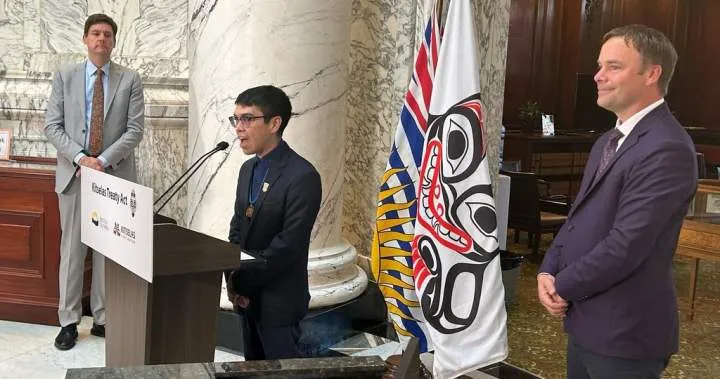
A coalition of First Nations in British Columbia has called for a pause on recently ratified treaties, asserting that they were not adequately consulted in the process. The Indigenous groups involved argue that these agreements significantly impact their traditional territories and rights, and that their voices were not properly heard or considered before the treaties were finalized. Specifically, the K'omoks First Nation has stated that the recently signed treaty claims approximately 80 percent of what they identify as WWK territory. Similarly, the Kitselas First Nation has raised concerns that another treaty would affect over 90 percent of the territories designated as NAT and LKB. This situation highlights a recurring challenge in treaty negotiations and land claim settlements in Canada, where ensuring meaningful consultation and consent from all affected Indigenous communities is crucial. The First Nations involved are seeking to halt the implementation of these treaties until a more inclusive and equitable consultation process can be established. They believe that their ancestral lands and the rights associated with them are at stake, and that the current treaties do not reflect their interests or historical connection to the territories. The call for a pause is not necessarily a rejection of treaties altogether, but rather a demand for a more just and respectful approach to nation-to-nation agreements. This situation could lead to further legal challenges and public scrutiny of the treaty-making process in British Columbia, potentially influencing future negotiations and land management decisions. The involved First Nations are emphasizing the importance of upholding the principles of reconciliation and Indigenous self-determination in all governmental dealings. The outcome of this dispute could have significant implications for land rights, resource management, and the ongoing efforts to build stronger relationships between Indigenous peoples and the Crown in Canada.
Source:
Global News