Half of Langkawi tobacco shops have closed after duties imposed
Admin
2 Views
2 min read
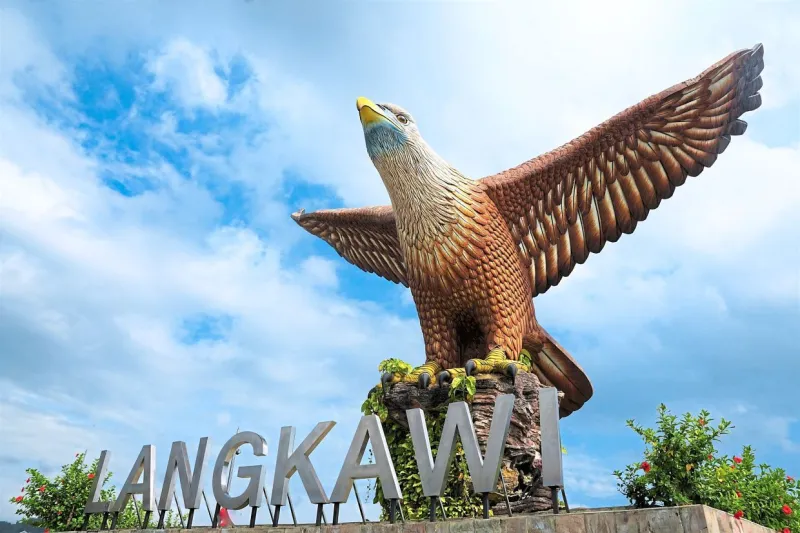
In Langkawi, a popular Malaysian tourist destination renowned for its duty-free status, a significant economic shift is underway. Approximately half of the tobacco shops in Kuah, the main town, have been forced to close their doors. This drastic measure comes in the wake of new duties imposed on tobacco products. According to Zainudin Kadir, the chairman of the Langkawi Tourism Association, the imposition of these duties has effectively neutralized the price advantage that Langkawi once held. Previously, the duty-free status allowed these shops to offer tobacco products at substantially lower prices compared to mainland Malaysia. This price differential was a major draw for both local consumers and tourists, contributing to the vibrancy of the retail sector in Kuah. However, with the introduction of the new duties, the prices of tobacco products in Langkawi have now become comparable to those found elsewhere in the country. This development has eroded the competitive edge of these businesses, making it unsustainable for many to continue operations. The closures represent a blow to the local economy, leading to job losses and a reduction in the variety of goods available to consumers. The Langkawi Tourism Association chairman expressed his concern over the economic impact, highlighting how these closures affect not only the shop owners and their employees but also the overall tourism experience. Tourists often seek out duty-free shopping as a key aspect of their visit to Langkawi, and the diminished offerings in this sector could deter future visitors. The Star, a Malaysian newspaper, reported on this situation, underscoring the direct correlation between the imposed duties and the subsequent business closures. The decision to impose duties on previously duty-free goods signals a potential shift in government policy, possibly aimed at increasing revenue or aligning pricing with national policies. However, the unintended consequence appears to be the decimation of a specific segment of the local retail industry. The situation in Langkawi serves as a case study on the delicate balance between fiscal policy and the economic well-being of specific regions, particularly those heavily reliant on tourism and their unique selling propositions, such as duty-free status.
Source:
The Star