In the ever-evolving landscape of home entertainment and retro gaming, the desire to connect older consoles to modern displays often leads users down a rabbit hole of adapters and cables. However, a common pitfall many enthusiasts encounter is the misunderstanding or misuse of HDMI adapters, particularly when dealing with vintage gaming systems like the Sega Genesis or Nintendo 64. These iconic consoles, while beloved for their groundbreaking gameplay, were designed for a different era of television technology, utilizing analog outputs like composite, S-Video, or RF signals. Attempting to bridge this gap to the digital realm of HDMI requires more than a simple plug-and-play solution, and it's here that many fall prey to common mistakes.
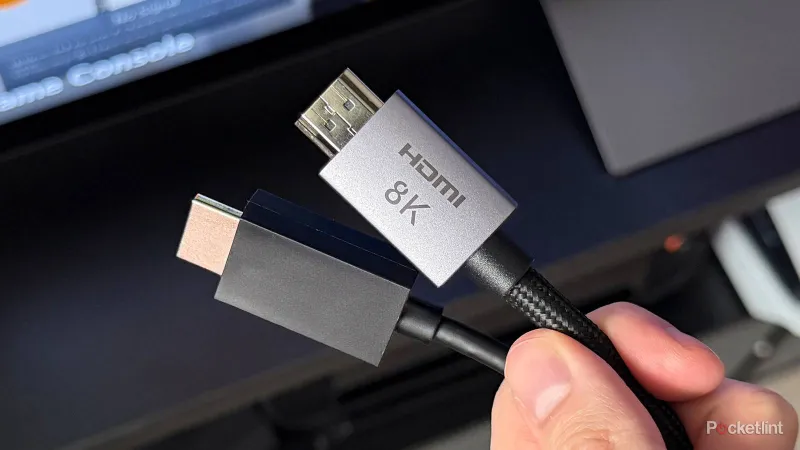
One of the most frequent errors is assuming that any HDMI adapter will suffice. In reality, the conversion process from analog to digital is complex. Simple passive adapters, often marketed as cheap HDMI converters, are generally incapable of performing this intricate conversion. They might simply pass through a signal, expecting the source device to already be outputting an HDMI signal, which is precisely what older consoles do not do. This leads to a black screen, distorted images, or no signal at all, leaving the user frustrated and questioning the compatibility of their setup.
Another prevalent mistake is overlooking the importance of active upscalers. For consoles like the N64, which output at very low resolutions (often 240p or 480i), simply converting the signal to HDMI without any processing will result in a pixelated and blurry image on a modern high-definition television. High-quality HDMI adapters for retro consoles often incorporate upscaling technology. This technology intelligently increases the resolution of the source signal to better match the native resolution of modern displays, thereby improving clarity and detail. Without this, the visual experience can be severely compromised, detracting from the charm of classic games.
Furthermore, users sometimes fail to consider the audio aspect. While HDMI is designed to carry both video and audio signals, the quality and format of the audio can also be an issue. Some adapters might only handle basic stereo audio, while others might struggle with specific audio encoding. Ensuring that the chosen adapter can properly handle the audio output of the vintage console and transmit it cleanly alongside the video is crucial for a complete and immersive experience.
Finally, there's the temptation to opt for the cheapest solution. While budget-friendly options exist, they often lack the necessary components, build quality, and sophisticated processing required for a reliable and high-quality conversion. Investing in a reputable adapter designed specifically for retro consoles, even if it comes at a higher price point, can save users a significant amount of frustration and ultimately provide a much more satisfying way to enjoy their cherished gaming memories on contemporary screens. The key takeaway is that bridging the analog-digital divide for vintage gaming demands a thoughtful approach, recognizing that specialized hardware, not just a generic cable, is often the missing piece of the puzzle.
HDMI adapter mistakes I'm tired of seeing
Admin
Apr 13, 2026
2 Views
3 min read
Source:
Pocket-lint