Hormuz traffic remains at a trickle as US blockade of Iranian ports appears to hold
Admin
1 Views
2 min read
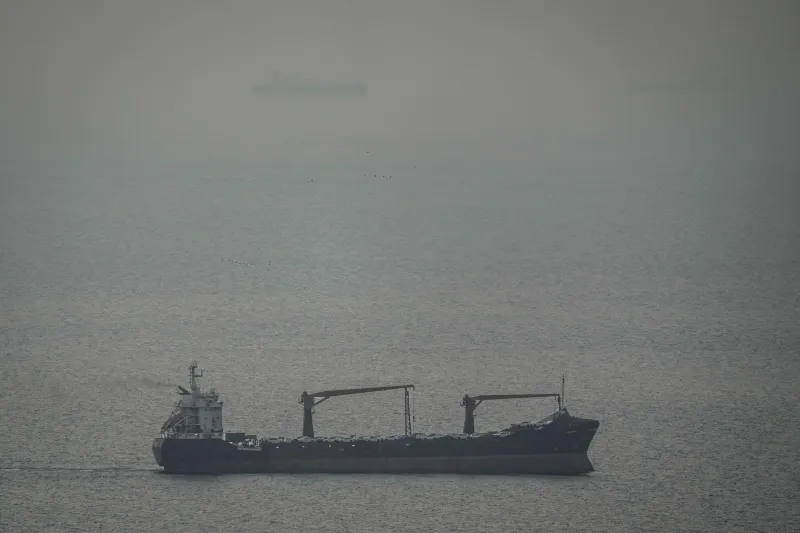
The strategic Strait of Hormuz, a vital chokepoint for global oil shipments, is experiencing a significant reduction in maritime traffic, with ship tracking data indicating only a trickle of vessels transiting the waterway in recent times. This sharp decline is widely attributed to the apparent success of a United States naval blockade of Iranian ports, a measure reportedly designed to exert pressure on Iran amidst escalating regional tensions. The US military has stated its readiness to enforce this blockade, with approximately 10,000 personnel reportedly on standby to ensure compliance. The implications of this development are far-reaching, potentially impacting global energy markets and further exacerbating the already strained geopolitical landscape in the Middle East. The Strait of Hormuz is a critical artery, through which a substantial portion of the world's crude oil passes daily. Any disruption to this flow can lead to significant price volatility and supply chain disruptions. The reported effectiveness of the US blockade suggests a concerted effort to isolate Iran economically and militarily. This action comes at a time of heightened concerns over Iran's nuclear program and its regional activities. The Times of Israel reports that the minimal traffic observed suggests that either Iranian vessels are adhering to the blockade or are being deterred from attempting passage. The exact nature and extent of the blockade are not fully disclosed, but the military's preparedness to enforce it implies a serious commitment to its implementation. The economic ramifications for Iran could be severe, as it relies heavily on its oil exports for revenue. A sustained blockade would likely cripple its economy and further diminish its capacity to fund its foreign policy objectives. The geopolitical implications are also significant, as this action could lead to increased confrontation with Iran or its proxies, potentially destabilizing the region further. The international community is watching this situation closely, as any escalation of tensions in the Strait of Hormuz could have global economic and security consequences. The effectiveness of such blockades in achieving foreign policy objectives is often debated, but the current situation suggests a significant shift in maritime control in this crucial waterway. Further analysis will be needed to determine the long-term impact of this blockade on Iran's economy, its regional influence, and global energy security. The Times of Israel continues to monitor developments in the region, providing in-depth coverage of this evolving situation.
Source:
The Times of Israel