The Association of Southeast Asian Nations (ASEAN) faces a significant challenge in its heavy reliance on imported agricultural inputs, a dependency that poses risks to food security, economic stability, and the livelihoods of its farmers. The article from fulcrum.sg suggests a multi-pronged approach to mitigate this vulnerability. Key recommendations include enhancing the efficiency of fertilizer application, boosting local fertilizer production, and fortifying policies related to pesticides and seeds.
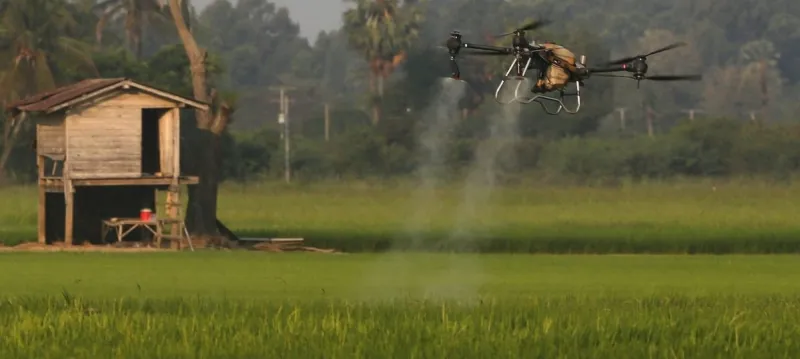
Enhancing fertilizer efficiency is crucial. Farmers often apply more fertilizer than necessary, leading to waste, increased costs, and environmental degradation, including water pollution and greenhouse gas emissions. Implementing best practices, such as precision agriculture techniques, soil testing, and the use of slow-release fertilizers, can significantly reduce the amount of fertilizer needed while maintaining or even improving crop yields. Education and training programs for farmers on efficient fertilizer management are essential components of this strategy.
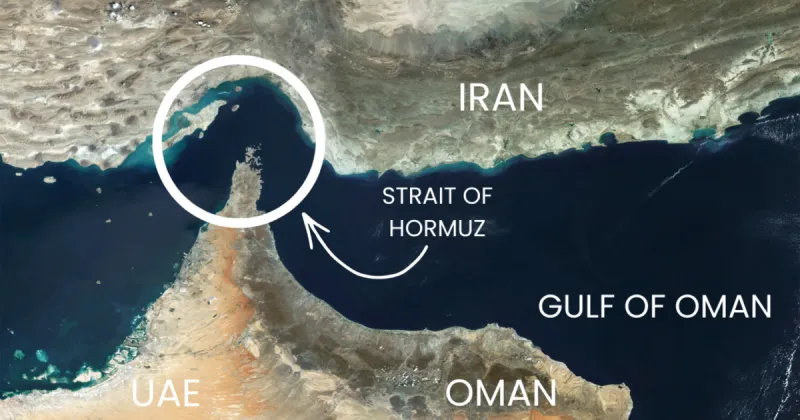
Increasing local fertilizer production is another vital recommendation. Relying on imports makes ASEAN economies susceptible to global price fluctuations, supply chain disruptions, and geopolitical instability. Developing domestic fertilizer manufacturing capacity can lead to more stable prices, improved availability, and the creation of local jobs. This would require strategic investment in infrastructure, technology, and skilled labor within the region.
Furthermore, fortifying policies on pesticides and seeds is paramount. This involves ensuring access to high-quality, region-appropriate seeds that are resilient to local climate conditions and potential pests. Stronger policies on pesticide use can promote integrated pest management (IPM) strategies, reducing reliance on harmful chemical pesticides and encouraging more sustainable and environmentally friendly alternatives. This also includes ensuring proper regulation and quality control of both seeds and pesticides to prevent the introduction of substandard or harmful products.
The overarching goal is to foster greater self-sufficiency within ASEAN's agricultural sector. By reducing dependence on external sources for essential inputs, the region can bolster its food security, protect its farmers from volatile international markets, and promote more sustainable agricultural practices. This strategic shift not only benefits the agricultural sector but also contributes to the overall economic resilience and development of ASEAN member states. Addressing these issues collectively through regional cooperation and tailored national policies will be key to achieving these objectives.
How ASEAN Can Reduce Its Heavy Dependence on Imported Agricultural Inputs
Admin
3 Views
2 min read
Source:
fulcrum.sg