How might the ‘major’ US-Indonesia defence partnership impact Southeast Asia?
Admin
1 Views
2 min read
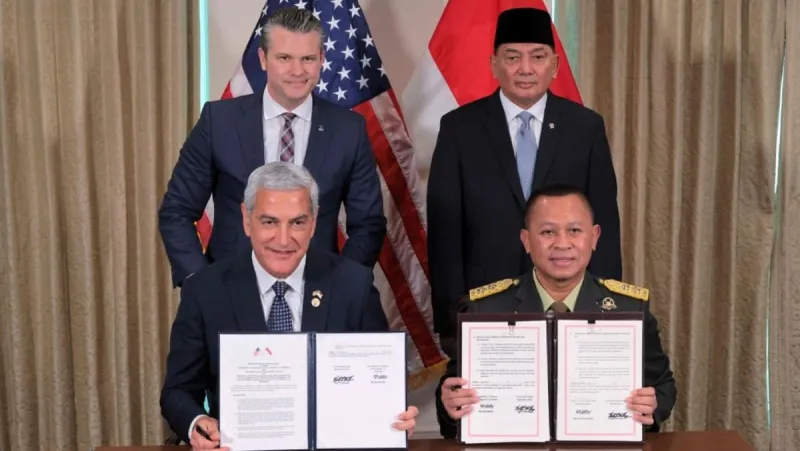
The recent signing of the Major Defence Cooperation Partnership between the United States and Indonesia on April 13 has sent ripples through Southeast Asia, prompting analyses on its potential geopolitical and strategic ramifications. While the agreement is primarily framed as a means to modernize the Indonesian armed forces, analysts suggest it carries broader implications for regional stability and diplomatic maneuvering. The partnership signifies a deepening of security ties between the two nations, with the US likely providing advanced military technology, training, and joint operational capabilities to Indonesia. This infusion of enhanced defense capabilities into the Indonesian military is expected to bolster its capacity to address internal and regional security challenges. However, the 'major' aspect of this partnership raises questions about its impact on the delicate balance of power in Southeast Asia. The region is characterized by complex geopolitical dynamics, with various major powers vying for influence. For Indonesia, a key player in ASEAN, this deepened alliance with the US could potentially test its diplomatic flexibility. Jakarta has historically pursued a non-aligned foreign policy, seeking to maintain good relations with a multitude of global powers. This new defense pact might require Indonesia to navigate a more complex diplomatic landscape, balancing its strengthened ties with the US against its relationships with other regional and global actors, particularly China. Southeast Asian nations are closely watching this development, as it could influence their own defense strategies and alliances. Some may view the partnership as a positive step towards enhancing regional security, while others might perceive it as a potential escalation of great power competition in the area. The modernization of Indonesia's military, while beneficial for its own defense, could also alter the regional military balance. The extent to which this partnership affects Southeast Asia will depend on several factors, including the specific nature of the defense cooperation, the transparency of its implementation, and how other regional powers respond. The US-Indonesia defense partnership is not just a bilateral agreement; it is a development that could shape the future security architecture of Southeast Asia, prompting a reassessment of existing alliances and a strategic recalibration by various stakeholders in the region.
Source:
CNA