During the tumultuous period of World War II, when Malaya (now Malaysia) was under Japanese occupation, a humble root vegetable played a surprisingly crucial role in the survival of its people: tapioca. Elderly Malaysians, recalling the hardships of that era, often speak of how this starchy tuber became a lifeline when traditional food sources became scarce or inaccessible. The Star newspaper features poignant accounts of this historical period, highlighting the resourcefulness and resilience of those who endured it.
The Japanese occupation brought severe disruptions to the established agricultural systems and food supply chains. Rice, the staple diet for many, became increasingly difficult to obtain due to wartime rationing and disruption of trade. This led to widespread food shortages and malnutrition across the population. In this desperate situation, tapioca emerged as a vital alternative. Its ability to grow in various soil conditions and its relative hardiness made it a viable crop even under the challenging circumstances of occupation.
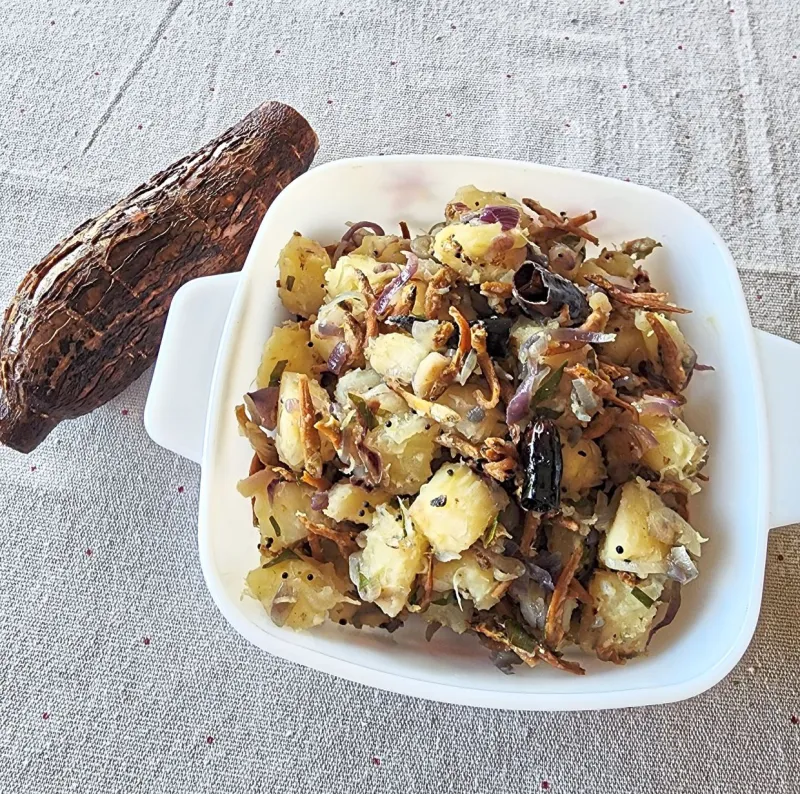
Elderly individuals interviewed for the article share vivid memories of cultivating tapioca in their backyards or small plots of land. They describe how the plant provided a much-needed source of carbohydrates and calories, helping to stave off starvation. Tapioca could be prepared in numerous ways – boiled, roasted, or ground into flour – making it a versatile foodstuff. While it might not have been as palatable or nutritious as rice, its availability was a matter of life and death for many families.
The reliance on tapioca was not without its challenges. The plant itself contains cyanogenic glycosides, which can be toxic if not properly processed. However, traditional knowledge and careful preparation methods ensured that the tapioca consumed was safe. The stories passed down through generations speak of the communal effort involved in cultivating and preparing this food, fostering a sense of solidarity during a dark time.
The narrative presented in "How tapioca saved many Malaysians during the Japanese occupation of Malaya" offers a powerful reminder of how essential food security is and how communities can adapt to extreme adversity. It underscores the importance of local crops and traditional knowledge in times of crisis, proving that even the most ordinary of plants can become extraordinary saviors when circumstances demand it. The article serves as a testament to the enduring human spirit and the ability to find sustenance and hope in the most unexpected places.
How tapioca saved many Malaysians during the Japanese occupation of Malaya
Admin
1 Views
2 min read
Source:
The Star