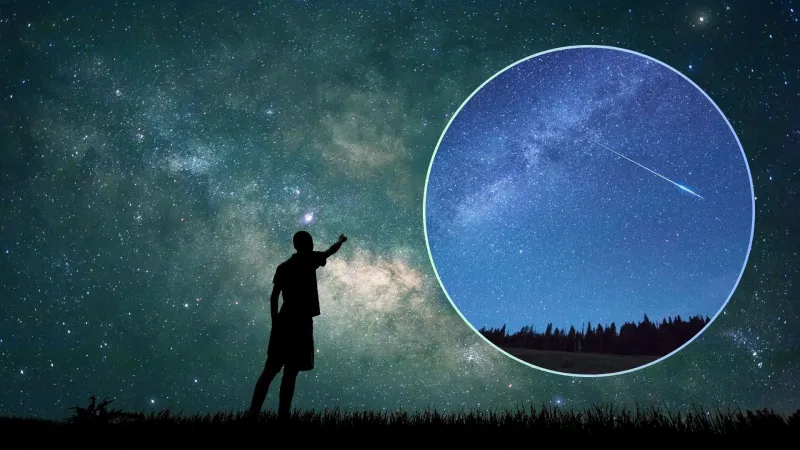
How to see the Lyrid meteor shower 2026: Where to look in the night sky
Admin
1 Views
3 min read
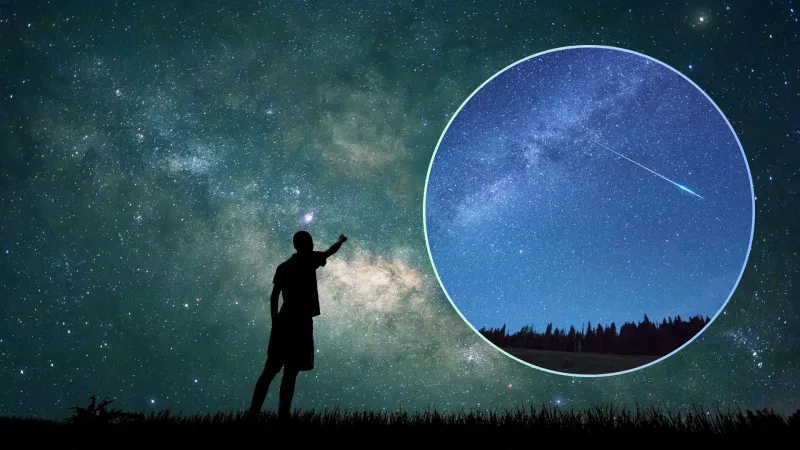
For stargazers and astronomy enthusiasts, the year 2026 promises a celestial spectacle with the anticipated return of the Lyrid meteor shower. This annual event, known for its radiant originating in the constellation Lyra, offers a fantastic opportunity to witness nature's own fireworks. To make the most of this cosmic display, understanding where and how to observe it is crucial. The Lyrid meteor shower typically peaks around April 21-22 each year, making the late spring season the prime time for viewing. While the meteors can be seen for a few weeks around this peak, the most intense activity is concentrated during these two nights. The radiant point, the apparent origin of the meteors in the sky, for the Lyrids is the constellation Lyra. However, it's important to note that meteors can appear anywhere in the sky, not just near Lyra. Therefore, rather than fixating on the constellation itself, observers should scan the entire celestial sphere. For optimal viewing, finding a location with minimal light pollution is paramount. Urban areas, with their pervasive artificial lighting, can significantly obscure the faint trails of meteors. Opting for rural settings, national parks, or any open area away from city lights will dramatically increase the chances of seeing more shooting stars. Patience is also a virtue when it comes to meteor shower observation. It can take some time for your eyes to adjust to the darkness, a process known as "dark adaptation," which can take up to 30 minutes. Once your eyes are accustomed to the low light conditions, you'll be able to perceive fainter meteors. Lying down on a blanket or using a comfortable chair to look upwards can prevent neck strain and allow for longer observation periods. Simple tips to enhance your viewing experience include checking the weather forecast to ensure clear skies and consulting astronomical calendars or websites for the exact peak times and any potential interference from moonlight. The moon phase during the peak of the Lyrids in 2026 will play a role; a new moon phase would be ideal, as it provides a darker backdrop. If the moon is bright, consider observing in the pre-dawn hours when the moon might be lower on the horizon or set. The Lyrids are known for occasional bright fireballs, which are particularly spectacular. These are caused by larger particles burning up in Earth's atmosphere. With a bit of preparation and a clear night, the 2026 Lyrid meteor shower offers a memorable and awe-inspiring celestial event for all to enjoy.
Source:
Space