Hungary election: Peter Magyar ousts Viktor Orban
Admin
Apr 13, 2026
3 Views
2 min read
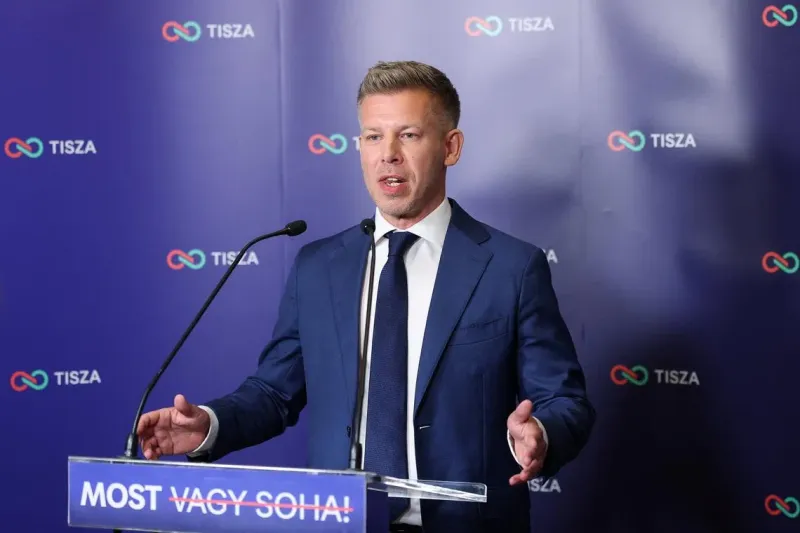
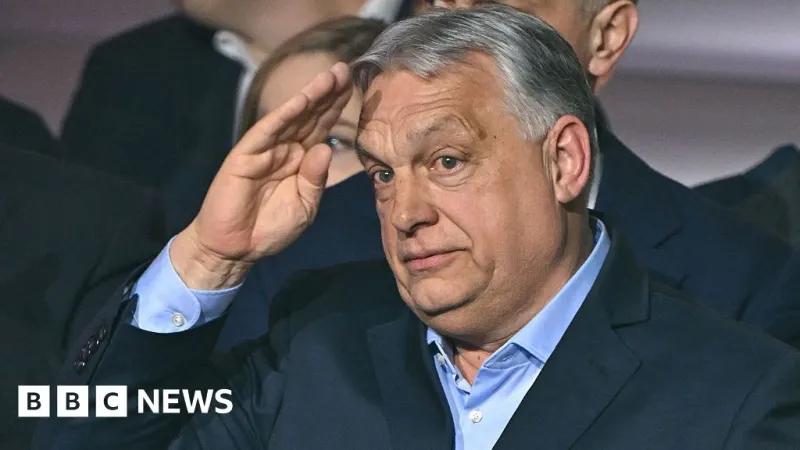
The political landscape of Hungary has undergone a seismic shift with the election of Peter Magyar, who has successfully unseated Viktor Orbán after a remarkable 16-year period of dominance. This electoral outcome is not merely a change in the head of government but is poised to instigate profound transformations across various facets of Hungarian policy and its international standing. Magyar's victory is expected to usher in an era of significant recalibration, particularly in Hungary's relationships with key global players. The European Union, with whom Orbán often had a contentious relationship, is likely to see a thaw in diplomatic ties and potentially a renewed alignment on shared values and objectives. This could lead to increased cooperation on economic, security, and political matters, fostering a more integrated and harmonious relationship within the bloc. Furthermore, Hungary's engagement with Russia, which had been a complex and often criticized aspect of Orbán's foreign policy, may also be subject to re-evaluation. The extent of this reorientation will be closely watched, especially in light of ongoing geopolitical challenges in Eastern Europe. The United States, having had a fluctuating relationship with Orbán's government, may also find new avenues for collaboration under Magyar's leadership. The implications of this electoral earthquake extend beyond bilateral relations. Magyar's ascent to power signals a potential shift in Hungary's domestic agenda, with possible reforms affecting areas such as the rule of law, media freedom, and economic governance. The international community will be observing closely as Hungary navigates this new chapter, anticipating how these changes will shape its role within Europe and its broader contribution to global stability and cooperation. The transition represents a pivotal moment, offering both opportunities for renewal and the challenge of managing expectations in a rapidly evolving world.
Source:
The Straits Times