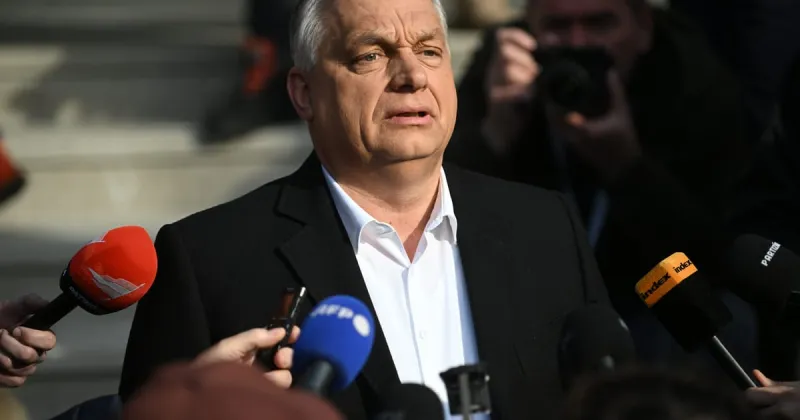
Hungary’s Orban concedes defeat as voters deliver sweeping rebuke to 16-year rule
Admin
Apr 13, 2026
1 Views
2 min read

In a significant political upheaval, Hungarian Prime Minister Viktor Orbán has conceded defeat in the country's general election, marking the end of his 16-year tenure. The outcome represents a resounding rebuke from voters who delivered a sweeping rejection of his long-standing rule. The election saw a record turnout, indicating a strong public desire for change and a clear mandate for the opposition. Orbán's Fidesz party, which has dominated Hungarian politics for over a decade, has been decisively defeated by the Tisza Party, led by Péter Magyar. Magyar's party is poised to secure a supermajority in the 199-seat parliament, giving them substantial power to implement their agenda. This victory is seen as a pivotal moment for Hungary, potentially signaling a shift towards closer integration with the European Union and a renewed commitment to democratic principles. Orbán's nationalist policies and his often confrontational stance with EU institutions have been defining features of his premiership. The widespread dissatisfaction with his leadership, coupled with the rise of Magyar as a compelling alternative, has culminated in this historic electoral result. The record turnout suggests that a broad coalition of voters, including those who previously supported Orbán but grew disillusioned, have united to bring about this change. The implications of this election are far-reaching, not only for Hungary but also for the broader European political landscape. The defeat of a prominent populist leader like Orbán could inspire similar movements in other countries and influence the direction of European politics. As the nation transitions to a new leadership, the focus will be on how the Tisza Party and Péter Magyar will address the pressing issues facing Hungary, including economic reforms, social policies, and its international relations.
Source:
South China Morning Post