India’s Engagement with ASEAN: Outreach Does Translate into Positive Perceptions
Admin
2 Views
2 min read
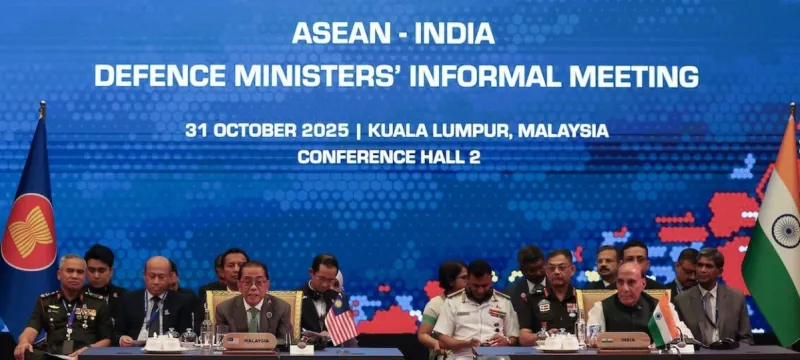
A recent analysis of India's diplomatic engagement with the Association of Southeast Asian Nations (ASEAN) reveals a nuanced and somewhat paradoxical situation. While India's concerted outreach efforts to key Southeast Asian countries have indeed translated into positive perceptions of its intentions and goodwill, this positive reception does not fully align with the underlying level of confidence these same nations hold towards New Delhi. The article, titled 'India’s Engagement with ASEAN: Outreach Does Translate into Positive Perceptions,' highlights that India has been actively pursuing a more robust relationship with ASEAN, a bloc of ten Southeast Asian nations crucial to regional stability and economic prosperity. This engagement manifests through various diplomatic channels, including high-level visits, trade agreements, security dialogues, and cultural exchanges. These initiatives are designed to strengthen India's strategic partnerships in its 'Act East' policy, aiming to foster greater economic integration, enhance maritime security, and counter the growing influence of other global powers in the region. The positive perceptions stemming from this outreach are evident in the welcoming responses from ASEAN member states to India's overtures. They acknowledge and appreciate India's commitment to the region and its willingness to engage constructively on various issues. However, the crux of the matter lies in the discrepancy between these positive perceptions and the actual confidence levels. The article suggests that while individual interactions might be cordial and productive, a deeper, more strategic trust is not yet fully established. This could be attributed to various factors, including lingering historical perceptions, concerns about India's economic competitiveness, or geopolitical considerations related to its relationships with other major powers. The implication is that while India's diplomatic efforts are successfully creating a favorable atmosphere, a more substantive shift in strategic trust and confidence will require sustained and potentially more impactful actions beyond mere outreach. This nuanced understanding is critical for India as it navigates its role in the Indo-Pacific and seeks to solidify its position as a responsible and reliable partner in the region. The analysis serves as a valuable reminder that building deep-seated confidence goes beyond the surface-level cordiality of diplomatic engagement and requires a long-term commitment to addressing underlying concerns and demonstrating consistent strategic alignment.
Source:
fulcrum.sg