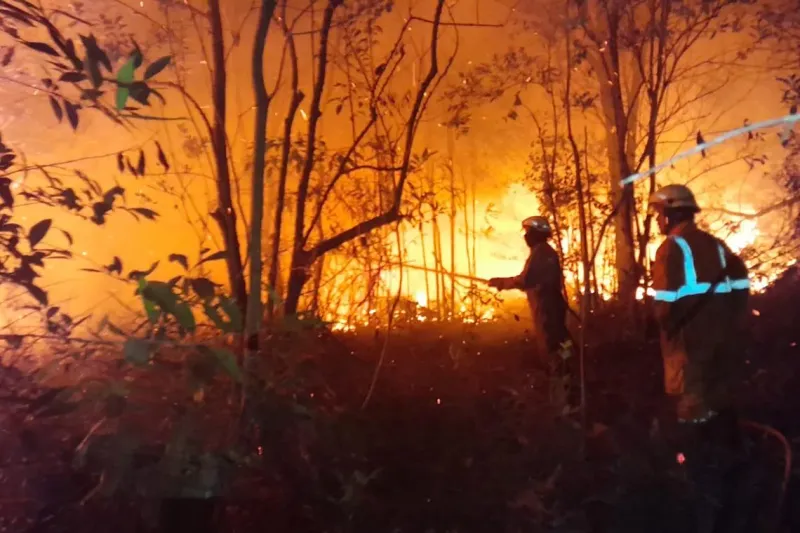
Indonesia is grappling with a severe challenge as its firefighters face a critical shortage of funds, a situation exacerbated by the escalating threat of forest fires and the looming specter of El Niño. The dual pressures are significantly straining the nation's resources and hampering crucial efforts to combat the blazes that have become a recurring and devastating environmental crisis. The Indonesian government's recent budget cuts have directly impacted the operational capacity of its firefighting units, leaving them ill-equipped to handle the scale and intensity of the fires. This financial drought comes at a particularly perilous time, as the country braces for the effects of El Niño, a weather phenomenon known to bring about drier conditions and increased fire risk across the region.
The combination of reduced funding and heightened environmental vulnerability creates a dangerous cocktail. Firefighters, often working under extreme conditions, are now facing even greater adversity without adequate financial backing for essential equipment, supplies, and personnel. This can lead to delayed responses, insufficient containment strategies, and ultimately, more widespread destruction of vital forest ecosystems. The economic implications are also substantial, with forest fires causing significant damage to agriculture, forestry, and tourism sectors, while also impacting public health through severe air pollution.
The Indonesian archipelago is no stranger to forest fires, which are often linked to land-clearing practices for agricultural purposes, particularly for palm oil plantations. However, the intensity and frequency of these fires have been amplified in recent years by climate change and the cyclical weather patterns like El Niño. The current situation underscores a critical need for sustained investment in fire prevention and suppression infrastructure, alongside robust enforcement of environmental regulations. The government's decision to implement budget cuts in this context raises serious questions about its commitment to environmental protection and disaster preparedness. International aid and cooperation may become increasingly vital if domestic resources prove insufficient to tackle the escalating crisis effectively. The long-term consequences of unchecked forest fires, including biodiversity loss and greenhouse gas emissions, demand a more comprehensive and adequately funded approach from Indonesian authorities.
Indonesia forest fires: Budget cuts and drought fears
Admin
1 Views
2 min read
Source:
The Straits Times