The aspirations of young medical professionals in Indonesia are tragically overshadowed by the harsh realities of their training. Housemanship, a crucial period of practical experience for newly qualified doctors, has become a crucible of exhaustion, overwork, and mistreatment, leading to devastating consequences, including the deaths of interns. This stark reality points to deep-seated systemic failures within Indonesia's medical education and training framework.
Many young doctors embark on their housemanship with a fervent desire to heal and contribute to society. However, the demanding nature of the profession, coupled with an exploitative system, quickly erodes their initial enthusiasm. Long working hours, often stretching far beyond reasonable limits, leave interns perpetually sleep-deprived and physically drained. This chronic fatigue not only impairs their ability to perform effectively but also poses significant risks to their own well-being and the safety of their patients.
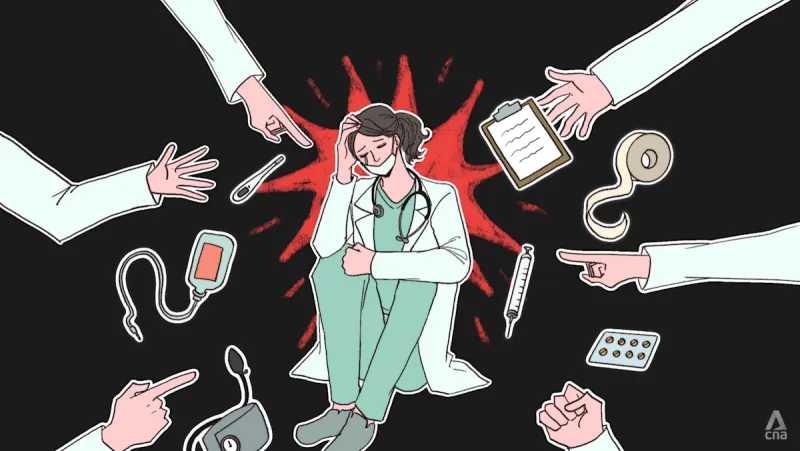
Beyond the sheer volume of work, interns frequently endure mistreatment from their senior colleagues. This can manifest in various forms, including verbal abuse, excessive criticism, and the assignment of menial tasks that do not align with their medical training. Such an environment can be deeply demoralizing, fostering a culture of fear and discouraging open communication and learning. The hierarchical structure of the medical profession, while necessary to some extent, appears to be exploited in a way that dehumanizes junior doctors.
The cumulative effect of these pressures can be catastrophic. Reports of intern deaths, often attributed to suicide or severe health complications stemming from extreme stress and exhaustion, are a grim testament to the severity of the problem. These incidents are not isolated occurrences but rather symptoms of a pervasive issue that demands urgent attention. The loss of young lives not only devastates families but also deprives the nation of dedicated healthcare professionals.
Addressing this crisis requires a multifaceted approach. Firstly, there is a need for a comprehensive review and reform of the housemanship program to ensure realistic working hours, adequate supervision, and a supportive learning environment. Secondly, robust mechanisms for reporting and addressing mistreatment and abuse must be established and enforced. Finally, greater emphasis should be placed on mental health support for medical interns, recognizing the immense psychological toll of their demanding profession. The future of healthcare in Indonesia hinges on its ability to nurture its future doctors rather than break them.
Intern doctor deaths reveal dark side of Indonesia’s medical training system
Admin
3 Views
2 min read
Source:
CNA