Diplomatic tensions escalated across multiple fronts Monday as key players articulated conflicting conditions for peace negotiations. Iran's parliamentary speaker has made the cessation of hostilities in Lebanon a prerequisite for broader Middle Eastern peace discussions, while US officials simultaneously hardened their negotiating stance.
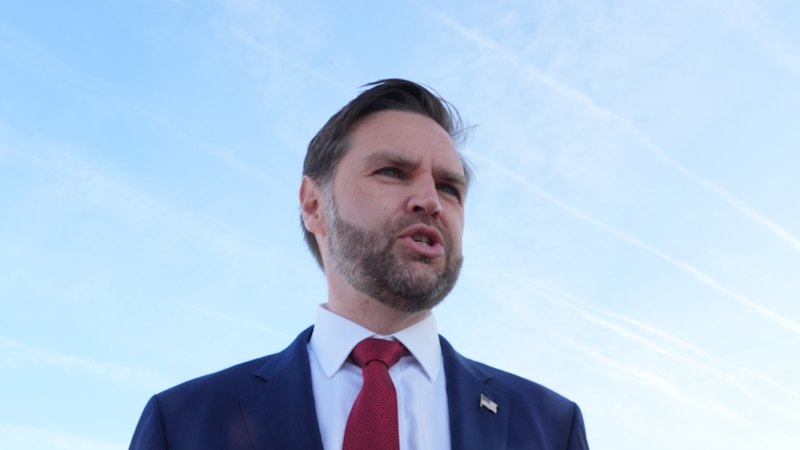
Vice President JD Vance, positioned as the Trump administration's principal envoy to regional stakeholders, issued a pointed warning to Iran against misinterpreting American intentions or attempting strategic manipulation during ongoing negotiations. His remarks sought to establish clear redlines regarding what the administration will tolerate during diplomatic discussions.
The demand for a Lebanon ceasefire reflects Iran's complex regional interests. Lebanon hosts Hezbollah, the Iranian-aligned militia group that has become a central actor in the broader Middle Eastern conflict. By conditioning broader peace talks on Lebanese ceasefire progress, Iran ensures its regional allies remain protected and their interests remain negotiable.
Simultaneously, President Trump escalated rhetoric regarding Iranian threats to the Strait of Hormuz. The president expressed strong disapproval of Iranian actions that could threaten this critical shipping lane, upon which global energy markets depend significantly. Control of Hormuz provides Iran with asymmetric leverage against countries dependent on regional energy supplies.
These parallel diplomatic developments reveal the multidimensional nature of Middle Eastern conflicts. Multiple interconnected crises—the Iranian-Israeli tensions, the Lebanon situation, regional proxy conflicts, and energy security concerns—create a complex negotiation landscape where concessions on one front might require compensatory gains on another.
The Trump administration's messaging strategy appears designed to project strength and resolve while maintaining diplomatic channels. By combining Vance's warnings against strategic manipulation with Trump's direct criticism of Iranian actions, Washington seeks to establish negotiating parameters that limit Iranian flexibility while ostensibly remaining open to dialogue.
The coming weeks will reveal whether these positions represent genuine barriers to peace or negotiating postures designed to establish advantageous starting positions. The involvement of multiple state actors, regional proxies, and interconnected conflicts suggests that achieving comprehensive regional peace remains an extraordinarily complex diplomatic undertaking.
Iran Demands Lebanon Ceasefire Before Peace Talks; Tensions Escalate Over Hormuz Strait
Admin
Apr 11, 2026
1 Views
2 min read
Source:
SMH.com.au