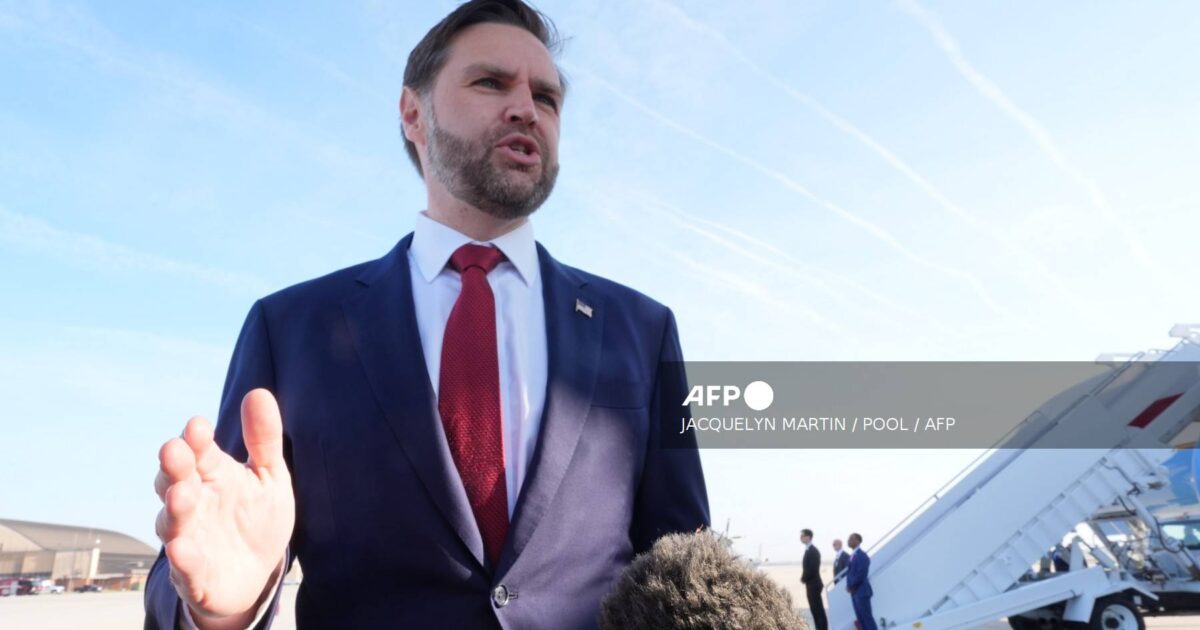
Iran has laid out specific conditions for engaging in talks with the United States, demanding a ceasefire in Lebanon and the release of frozen Iranian assets before substantive negotiations can commence, as U.S. Vice President James Vance warned Tehran against attempting to manipulate Washington's willingness to engage.
The Iranian government's preconditions represent a hardening of its negotiating stance at a critical moment in regional tensions. Officials in Tehran have stated that any U.S.-Iran dialogue must be preceded by resolution of the ongoing conflict in Lebanon, where Iranian-backed militant groups have been involved in escalating hostilities, and the unfreezing of billions in Iranian government assets that have been frozen under international sanctions.
The demand for a Lebanon ceasefire appears designed to protect Iranian interests in the region and demonstrate strength to domestic audiences and allied militias. Iran has significant influence over Hezbollah and other groups operating in Lebanon, and a ceasefire would provide these forces with breathing room and restore Iranian regional credibility. By making this a prerequisite for talks, Tehran is attempting to link separate regional crises and extract concessions before beginning negotiations.
The second major condition—the release of Iranian assets—addresses a longstanding grievance in Tehran. Billions of dollars in Iranian government funds have been frozen in international accounts following the reimposition of U.S. sanctions in 2018 after the Trump administration withdrew from the Joint Comprehensive Plan of Action (JCPOA), commonly known as the Iran nuclear deal. Iranian officials argue these funds represent their legitimate national resources and should be released as a good-faith gesture before meaningful dialogue can occur.
Meanwhile, Vice President Vance has adopted a notably stern tone in addressing Iran's diplomatic posture. In public statements, Vance warned the Iranian government against what he characterized as attempts to "play" the United States during negotiations. The warning suggests the incoming U.S. administration intends to take a firmer negotiating stance than the previous administration, signaling that any diplomatic breakthrough will require genuine Iranian concessions rather than rhetorical gestures.
Analysts view Iran's conditions as both a negotiating strategy and a reflection of internal political dynamics. Conservative elements within the Iranian government have long opposed engagement with Washington, and by setting high preconditions, the regime can appear strong domestically while preserving the option for negotiations if circumstances change.
The timing of these statements comes amid broader regional instability in the Middle East. The situation in Lebanon remains volatile, and the status of U.S.-Iran relations carries significant implications for regional stability and international security.
Both sides appear to be positioning themselves for a lengthy negotiation process, with each setting parameters they believe will advance their interests. Whether these opening positions represent genuine impediments to talks or are part of standard diplomatic posturing remains unclear. Observers will watch closely for signals that either side is willing to move from these initial demands.
Iran sets conditions for US-Iran talks as Vance warns Tehran
Admin
Apr 11, 2026
4 Views
3 min read
Source:
Punch Newspapers