As the United States and Iran prepare for high-stakes diplomatic negotiations, emerging fractures within the Iranian regime pose a potentially greater threat to any eventual ceasefire agreement than direct U.S.-Iran hostilities, with internal divisions undermining Tehran's capacity to deliver on commitments and maintain unified strategic direction.
The prospect of U.S.-Iran talks has generated international attention, but analysts increasingly focus on whether Iran's internal political structures can support sustained diplomatic engagement and enforce any resulting agreements. This concern reflects broader realities about how fragmented regimes struggle to implement coordinated policies.
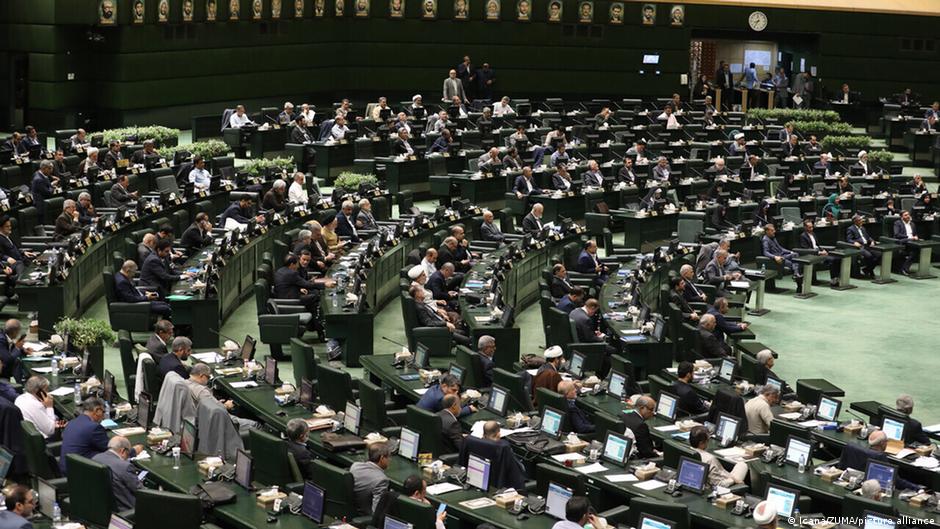
Iran's political system comprises multiple power centers that don't always align on strategic priorities. The Supreme Leader maintains ultimate authority, but the Revolutionary Guards, the regular military, the civilian government, parliament, and various clerical councils all exercise influence over decision-making. This distribution of power creates opportunities for obstruction when different factions oppose particular policies.
The specific signs of fracture mentioned relate to disagreements within regime leadership about how to approach negotiations with Washington. Some faction may favor engagement and prefer reducing regional tensions through diplomacy, while others oppose any accommodation with the United States and prefer maintaining confrontational postures. These divisions affect Iran's ability to present unified negotiating positions.
Historically, Iran's internal divisions have complicated previous diplomatic initiatives. Even when senior leaders agreed to negotiate—as in the case of the Joint Comprehensive Plan of Action (JCPOA) nuclear agreement—implementation suffered from disputes about how strictly to comply and how quickly to pursue benefits. Hardline factions sometimes undermined agreements through rhetoric or actions that contradicted diplomatic agreements.
A ceasefire agreement would require Iran to influence allied militias and proxies operating across the Middle East. If Iranian regime factions disagree about commitment to a ceasefire, different military and intelligence services might send contradictory signals to these allied forces. Hezbollah in Lebanon and other Iranian-backed groups might receive conflicting instructions about compliance with ceasefire terms.
The United States faces corresponding challenges in verifying Iranian compliance with any agreement. If Iran's internal divisions create ambiguity about whether the regime is genuinely committed to peace terms, American officials will struggle to determine whether violations result from deliberate policy or from rogue actors acting against regime directives.
These internal dynamics may explain why Iran has set preconditions for talks, as previous reporting indicated. Preconditions allow Tehran to appear strong domestically to hardline constituencies while preserving negotiation possibilities. Setting demanding conditions satisfies hardliners who oppose engagement while maintaining theoretical pathways to dialogue.
The broader lesson is that ceasefire success requires not only agreement between principal parties but also unified regime commitment capable of enforcing agreements on subordinate actors. Iran's fractured political structure presents structural obstacles that diplomatic skill alone cannot overcome.
As negotiations proceed, American negotiators must assess not only what Iran's official representatives are willing to agree to, but whether those representatives possess sufficient authority and unity to deliver compliance. Previous negotiations with Iran suggest this assessment poses significant challenges and represents a persistent threat to agreement durability.
Iran war: Rifts in regime bigger threat to ceasefire
Admin
Apr 11, 2026
3 Views
3 min read
Source:
DW.com