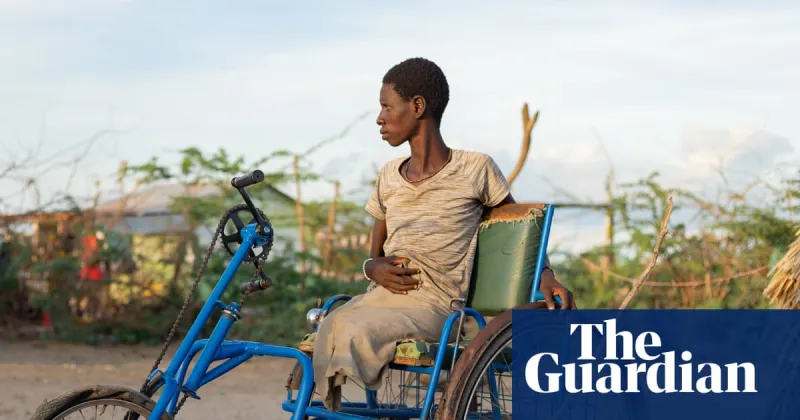
The shores of Kenya's rapidly expanding Lake Turkana have become a zone of escalating danger, with residents living in constant fear of deadly crocodile attacks. In the past year alone, the devastating toll includes seven confirmed deaths and 15 serious injuries, a grim testament to the encroaching threat posed by these apex predators. The primary driver behind this surge in attacks is the alarming rise in the lake's water levels, a phenomenon linked to climate change and increased rainfall in the region. As the lake expands, its natural habitat for crocodiles is also increasing, forcing them to seek new territories, which increasingly overlap with human settlements along the shoreline.
For the communities living in this remote northwestern region of Kenya, life has always been intertwined with the lake. They rely on it for fishing, a vital source of livelihood, and for water. However, the rising waters have not only brought more crocodiles closer to their villages but have also altered the fishing grounds, pushing fishermen into more perilous waters and closer to the crocodiles' hunting grounds. The attacks are often sudden and brutal, leaving survivors with horrific injuries and deep psychological scars. The fear is palpable, with residents describing a constant sense of dread, particularly for children who are more vulnerable and often play near the water's edge. The phrase 'it feels like death is certain' encapsulates the pervasive anxiety that has gripped these communities.
The situation highlights a complex interplay of environmental change and human vulnerability. The ecological shifts are forcing wildlife, including crocodiles, to adapt, and in doing so, they are coming into direct conflict with human populations. The lack of adequate safety measures, early warning systems, and effective wildlife management strategies exacerbates the problem. Local authorities are struggling to cope with the escalating crisis, lacking the resources and infrastructure to adequately protect the residents or to manage the growing crocodile population. The long-term implications are significant, not only in terms of human safety but also for the economic stability of these communities, which depend heavily on the lake's resources. Urgent and comprehensive interventions are needed to mitigate the risks, involving not just enhanced security measures but also a deeper understanding of the ecological changes and their impact on human-wildlife coexistence.
‘It feels like death is certain’: lives and limbs lost to crocodile attacks on the banks of Kenya’s rising Lake Turkana
Admin
3 Views
2 min read
Source:
The Guardian