Live Updates: Latest from Israel, Iran, and the Middle East
Admin
Apr 13, 2026
2 Views
2 min read

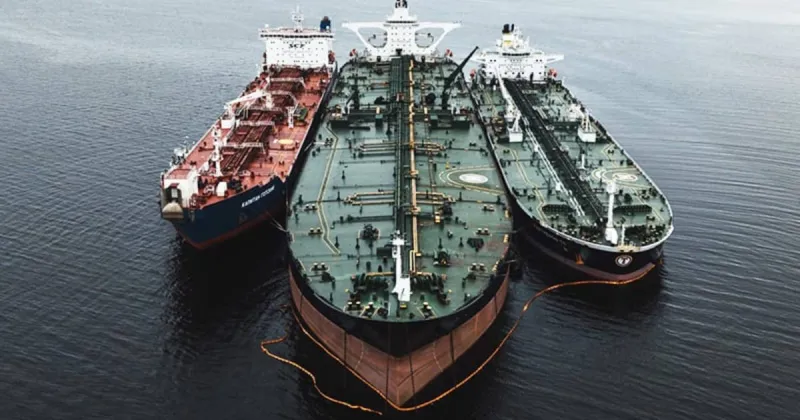
The Middle East remains a focal point of international concern, with ongoing developments from Israel and Iran dominating headlines. In a significant diplomatic update, US Secretary of State Vance has indicated that no breakthrough was achieved following recent talks with Iran. This failure to reach a deal, particularly on matters related to Iran's nuclear program or regional activities, casts a shadow over hopes for de-escalation. Concurrently, the US Central Command has reported the successful clearing of underwater mines in the strategic Strait of Hormuz. This operation underscores the persistent threats to maritime security in a vital global shipping lane, likely exacerbated by regional tensions. The presence of mines suggests a deliberate attempt to disrupt or threaten international navigation, necessitating swift and decisive action by naval forces. Adding to the charged atmosphere, Israeli Prime Minister Benjamin Netanyahu has issued a stark warning, stating that Israel's war with Iran 'is not over yet.' This declaration signals that Israel views the current situation as an ongoing conflict, with potential for further escalation or retaliatory actions. The Prime Minister's statement reflects a deep-seated security concern for Israel, given Iran's long-standing support for militant groups and its perceived nuclear ambitions. The confluence of stalled diplomatic efforts, heightened maritime security operations, and assertive military rhetoric paints a picture of a region on edge. The implications of these developments are far-reaching, potentially impacting global oil prices, international relations, and the broader security architecture of the Middle East. Observers are closely monitoring any further statements or actions from the involved parties, as the situation remains highly fluid and unpredictable. The international community faces the challenge of navigating these complex dynamics, seeking to prevent further conflict while addressing the underlying causes of instability.
Source:
The Jerusalem Post