Malaysia to boost biodiesel use to cope with Middle East conflict fallout
Admin
Apr 15, 2026
1 Views
2 min read
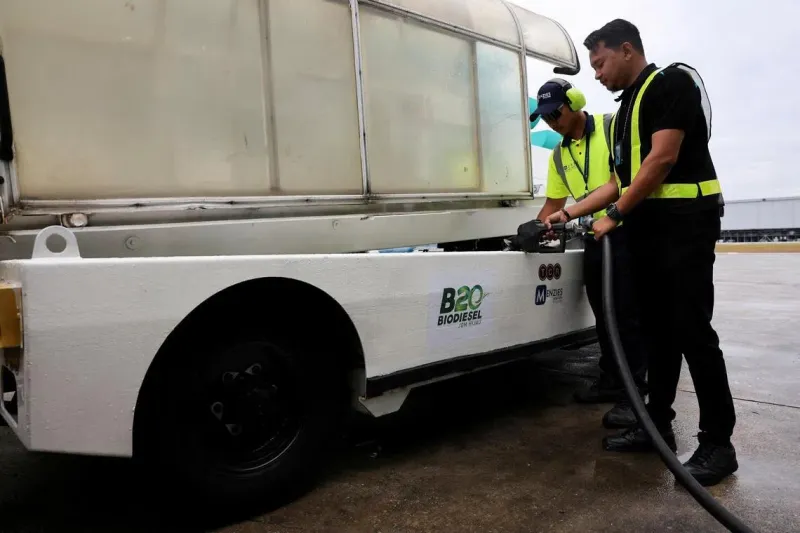
The Malaysian government's decision to escalate its biodiesel mandate from 10% to 15% is a proactive response to the escalating geopolitical tensions and their subsequent economic fallout, particularly stemming from the Middle East conflict. This strategic pivot is designed to insulate the nation's economy from the volatility of global oil markets, which have experienced significant price fluctuations and supply chain disruptions due to the ongoing conflict. By increasing the blend of biodiesel, Malaysia aims to enhance its energy security and foster greater self-reliance, reducing its dependence on imported fossil fuels. This move is also expected to provide a substantial boost to the domestic palm oil industry, a cornerstone of Malaysia's agricultural sector and a primary feedstock for biodiesel production. The increased demand for palm oil is anticipated to stimulate economic activity, support livelihoods in rural areas, and potentially lead to job creation within the agricultural and biofuel processing sectors. Furthermore, the policy aligns with Malaysia's broader environmental agenda, emphasizing a transition towards more sustainable energy sources and contributing to its commitments under international climate agreements to reduce greenhouse gas emissions. The government views this as a dual-pronged strategy: addressing immediate economic concerns while simultaneously advancing long-term sustainability goals. The transition to a higher biodiesel blend will necessitate adjustments in refining processes and potentially infrastructure, but the government has indicated its readiness to support these changes. Industry stakeholders are reportedly optimistic about the increased mandate, viewing it as a stable and predictable market for their products. The long-term implications of this policy are expected to include a more resilient energy sector, a strengthened agricultural economy, and a tangible step towards a greener future for Malaysia. The government will likely monitor the impact closely and may introduce further incentives or regulations to ensure the smooth implementation and maximum benefit of this increased biodiesel usage.
Source:
The Straits Times