Manila pushes for lower banana tariffs, new fruit access in Japan trade talks
Admin
1 Views
2 min read
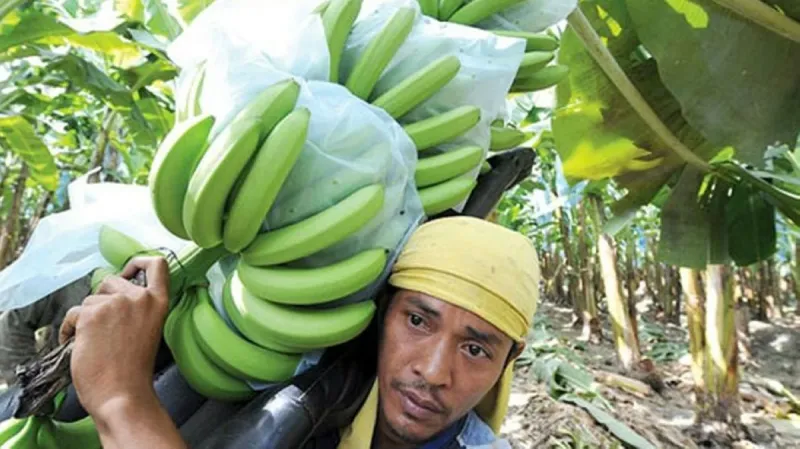
The Philippines is actively seeking to bolster its agricultural trade relations with Japan through ongoing trade negotiations, with a particular focus on securing lower tariffs for its banana exports and gaining access for other fruits to the Japanese market. This initiative, spearheaded by Manila, aims to enhance the country's export potential and strengthen its position in the global agricultural landscape. Bananas are a significant export commodity for the Philippines, and reducing import duties in Japan would directly benefit local farmers and producers, making their products more competitive. Beyond bananas, the Philippines is also advocating for increased market access for a wider range of fruits, signaling a diversification of its agricultural export strategy. This move is indicative of the country's ambition to leverage its rich agricultural resources and expand its trade partnerships. The trade talks are expected to cover various aspects of bilateral economic cooperation, with a strong emphasis on the agricultural sector. Both nations are keen to explore avenues for mutual benefit, fostering a more robust and balanced trade relationship. The Philippines' push for greater access in Japan is part of a broader strategy to diversify its export markets and reduce its reliance on traditional trading partners. Japan, with its large consumer base and high demand for imported agricultural products, presents a significant opportunity for the Philippines. The success of these negotiations could lead to increased export revenues, job creation, and economic growth within the Philippine agricultural sector. Furthermore, the talks may also touch upon the modernization of the Philippine agricultural industry, potentially involving Japanese investment and technological expertise. This could lead to improvements in production efficiency, quality standards, and overall competitiveness. The Philippines' commitment to sustainable agricultural practices and food safety is likely to be a key point of discussion, aligning with Japan's own stringent import regulations. As the negotiations progress, the outcome will be closely watched by stakeholders in both countries, with the hope of forging a more prosperous and mutually beneficial trade partnership. The Philippines' proactive approach in these trade discussions demonstrates its determination to unlock new opportunities and maximize the potential of its agricultural sector on the international stage.
Source:
Manila Bulletin