Marshall Islands government shuts down at 3pm amid fuel crisis
Admin
1 Views
2 min read
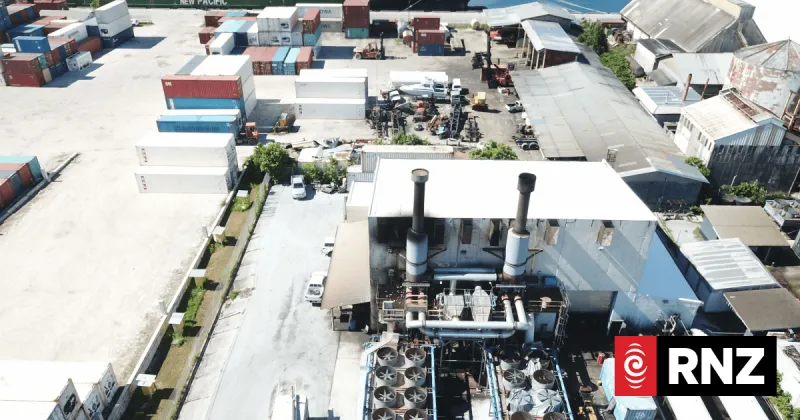
The government of the Marshall Islands has implemented a significant measure to conserve fuel, instituting a policy of closing most government offices by 3 PM daily. This decision underscores the severity of the global fuel crisis and its tangible impact on even remote island nations. The Marshall Islands, an archipelago in the Pacific Ocean, faces unique challenges due to its geographical isolation and reliance on imported goods, including fuel. The current uncertainties in global fuel supply chains, exacerbated by geopolitical events and logistical disruptions, have created a precarious situation for the nation. By reducing operating hours, the government aims to significantly decrease its fuel consumption. This includes fuel used for transportation of public servants, powering government buildings, and potentially other essential services that rely on generator power. The move is a stark illustration of how broad-reaching the effects of fuel scarcity can be. It’s not just about higher prices at the pump for individuals; it’s about governments having to make difficult choices that affect public services and daily operations. The implications for the citizens of the Marshall Islands are varied. While the immediate goal is conservation, extended closures could lead to delays in government services, administrative processes, and public access to essential government functions. This might disproportionately affect vulnerable populations who rely heavily on government support. The decision also highlights the vulnerability of small island developing states to global economic and political shocks. Their limited resources and dependence on international trade make them particularly susceptible to supply chain disruptions. The Marshall Islands' proactive approach, while perhaps necessitated by circumstance, serves as a case study for other nations grappling with similar challenges. It signals a need for greater resilience in energy supply and a potential shift towards more sustainable and localized energy solutions. The long-term success of this measure will depend on the duration of the global fuel crisis and the government's ability to manage the impact on public administration and citizen services. It also raises questions about the broader economic and social consequences of such austerity measures in the public sector. The situation in the Marshall Islands is a potent reminder that the global energy landscape is interconnected, and the challenges faced by one nation can ripple outwards, affecting even those geographically distant.
Source:
RNZ