Meta inks deal for solar power at night, beamed from space
Admin
5 Views
2 min read
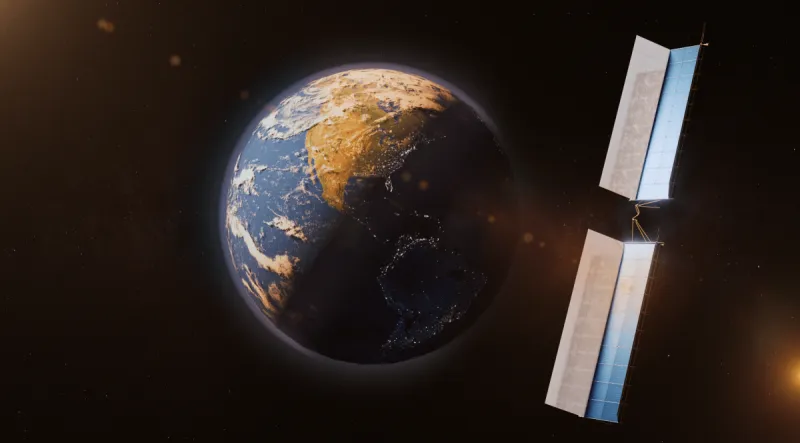
In a move that sounds straight out of science fiction, Meta, the parent company of Facebook and Instagram, has reportedly inked a groundbreaking deal with Overview Energy. This agreement aims to secure solar power not just during the day, but crucially, throughout the night, with the energy being beamed down from space. This pioneering initiative represents a significant stride towards realizing the long-held dream of space-based solar power (SBSP). The concept of SBSP involves collecting solar energy in orbit using vast solar arrays and then transmitting this energy wirelessly to Earth. The primary advantage of such a system is its ability to provide a continuous and uninterrupted supply of clean energy, overcoming the intermittency issues associated with terrestrial solar power, which is dependent on daylight and weather conditions. Overview Energy's contract with Meta is described as a "small step" toward this ambitious future, suggesting that this is an initial phase of development and deployment. While the specifics of the deal, such as the scale of energy transfer and the timeline for implementation, are not fully disclosed, the very fact that a tech giant like Meta is investing in such a futuristic technology underscores its potential. The challenges associated with SBSP are considerable, including the immense cost of launching satellites, the development of efficient wireless power transmission technologies, and ensuring the safety and environmental impact of such systems. However, the prospect of virtually limitless, carbon-free energy is a powerful motivator for innovation. This partnership between Meta and Overview Energy could pave the way for further research, development, and investment in the field of space-based solar power, potentially revolutionizing the global energy landscape and accelerating the transition to a sustainable future. The implications for combating climate change and ensuring energy security are immense.
Source:
TechCrunch