Nearly 400 compounds affect behaviors tied to autism-linked genes in zebrafish
Admin
2 Views
2 min read
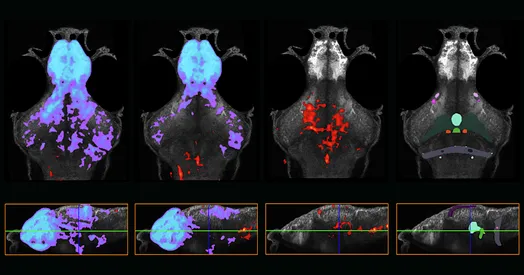
A groundbreaking study utilizing a novel open-source platform has identified nearly 400 chemical compounds that influence behaviors in zebrafish that are genetically linked to autism spectrum disorder (ASD). The research, published recently, focused on the impact of these compounds on specific genes known to be associated with ASD, namely SCN2A and DYRK1A. Zebrafish, a common model organism in genetic research due to their conserved biological pathways and rapid development, were exposed to a vast library of chemical compounds. Researchers then observed and meticulously analyzed the resulting behavioral changes. The findings revealed that a significant number of these compounds, approximately 400, demonstrably altered behaviors that mirror aspects of ASD in humans. These behaviors included changes in social interaction, activity levels, and other neurological functions. What makes this study particularly significant is the identification of specific compounds that targeted the influence of SCN2A and DYRK1A variants. Estropipate, paclitaxel, and levocarnitine were among those singled out for their distinct effects on behaviors linked to these particular genetic mutations. The development of an open-source platform was crucial for this large-scale screening process, allowing for efficient data analysis and the sharing of findings within the scientific community. This accessibility is expected to accelerate future research in the field. The implications of this study are far-reaching. By identifying chemical compounds that can modulate autism-linked behaviors, researchers are gaining valuable insights into the complex biological mechanisms underlying ASD. This knowledge could pave the way for the development of new therapeutic strategies, including potential drug targets or interventions aimed at mitigating the core symptoms of autism. While it is important to note that zebrafish are not humans, the genetic and behavioral parallels observed in this study offer a promising avenue for understanding and potentially treating this complex neurodevelopmental condition. Future research will likely focus on validating these findings in other model organisms and exploring the precise molecular pathways through which these compounds exert their effects.
Source:
The Transmitter