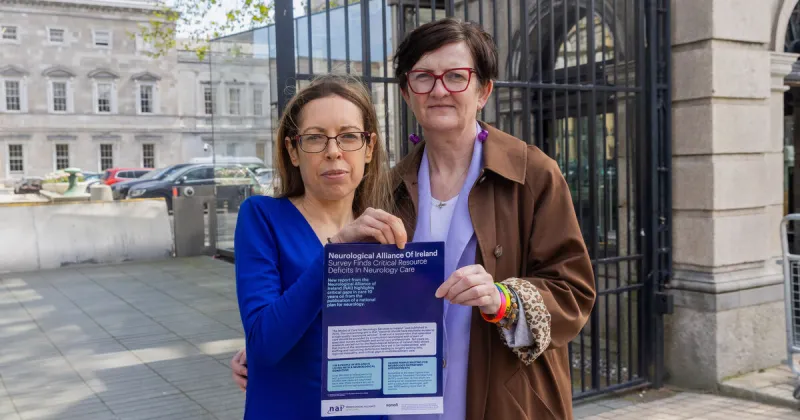
Experts have issued a stark warning regarding the quality of neurological care available to patients across Ireland, highlighting significant disparities between those living in Dublin and those residing in other regions. The core of the issue, as pointed out by medical professionals and patient advocacy groups, lies in the outdated nature of the Health Service Executive's (HSE) current model of care for neurology, which is now a decade old. This aging framework is failing to adequately address the growing needs and complexities of neurological conditions, leading to what are being described as "stark inequalities" in the level of service provided.
Neurological conditions encompass a wide range of disorders affecting the brain, spinal cord, and nerves, including conditions like multiple sclerosis, Parkinson's disease, epilepsy, stroke, and motor neuron disease. These conditions often require specialized, long-term, and multidisciplinary care, involving neurologists, nurses, therapists, and other healthcare professionals. The HSE's 10-year-old model of care, developed at a time when the understanding and treatment of these conditions may have been different, is no longer sufficient to ensure equitable access to these vital services nationwide.
The "stark inequalities" manifest in several ways. Patients outside of Dublin may experience longer waiting times for appointments with specialists, fewer available treatment options, and a lack of access to advanced diagnostic tools or therapies that are more readily available in the capital. This geographical lottery of care can have profound consequences for patient outcomes, potentially leading to delayed diagnoses, reduced treatment effectiveness, and a lower quality of life for individuals managing chronic neurological conditions. The lack of consistent access to specialized rehabilitation services and community support networks further exacerbates the problem for those living outside major urban centers.
Experts are calling for an urgent review and modernization of the HSE's neurology care plan. They emphasize the need for a national strategy that ensures all patients, regardless of their location, have access to timely, high-quality neurological care. This would likely involve increased investment in specialist training and recruitment in regional centers, the implementation of telemedicine solutions to bridge geographical gaps, and the development of standardized care pathways that reflect the latest advancements in neurological medicine. The current situation, where a patient's access to essential care is heavily dependent on their postcode, is unacceptable and requires immediate attention from healthcare policymakers.
Neurological patients outside Dublin face 'stark inequalities' in care, experts warn
Admin
1 Views
2 min read
Source:
Irish Examiner