N.L. arts and tourism minister says she regrets posting image altered with AI to social media
Admin
1 Views
2 min read
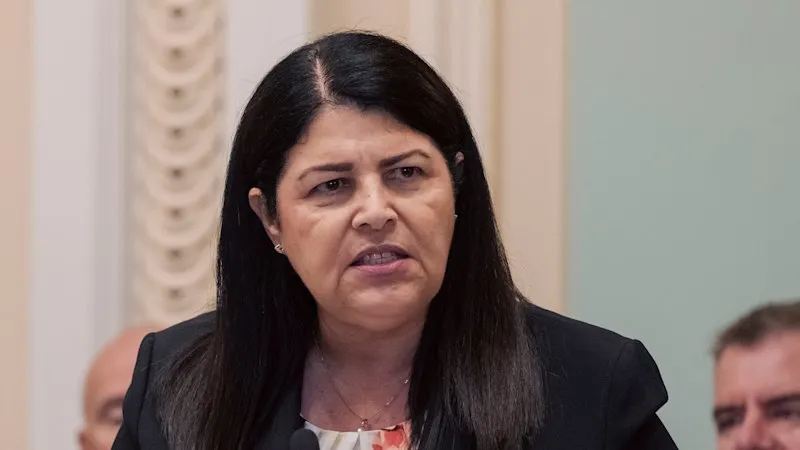
The Minister of Tourism and Culture for Newfoundland and Labrador, Andrea Barbour, has expressed regret over a social media post that featured an image of herself altered by artificial intelligence. The incident occurred when Minister Barbour posted a photograph of herself standing in front of "The Rooms," a prominent arts and heritage complex in St. John's. However, upon closer inspection, it became apparent that the image had been manipulated. Notably, a logo that does not actually exist was superimposed onto the photo, replacing the museum's well-known and iconic caribou sculpture. This alteration, intended or not, quickly drew sharp criticism from the public and media. Critics raised concerns about the use of AI-generated or altered images by a government official, particularly in a context that could be seen as misleading or misrepresenting a cultural institution. The swift backlash suggests a public expectation for transparency and authenticity from elected officials, especially when engaging with public assets and cultural landmarks. Minister Barbour's subsequent statement of regret indicates an acknowledgment of the misstep and an understanding of the negative implications of her post. The incident serves as a cautionary tale about the responsible use of AI technology in public communications and the potential pitfalls of digital manipulation. It highlights the importance of maintaining accuracy and integrity when representing public institutions and cultural heritage. The controversy surrounding the altered image underscores the delicate balance between leveraging new technologies and upholding public trust. The Minister's apology is a step towards addressing the criticism, but the incident may prompt further discussion about guidelines for the use of AI in government communications and public relations. The public's reaction signifies a strong desire for authenticity and a potential skepticism towards digitally altered content, especially when it involves public figures and cultural representations.
Source:
CBC