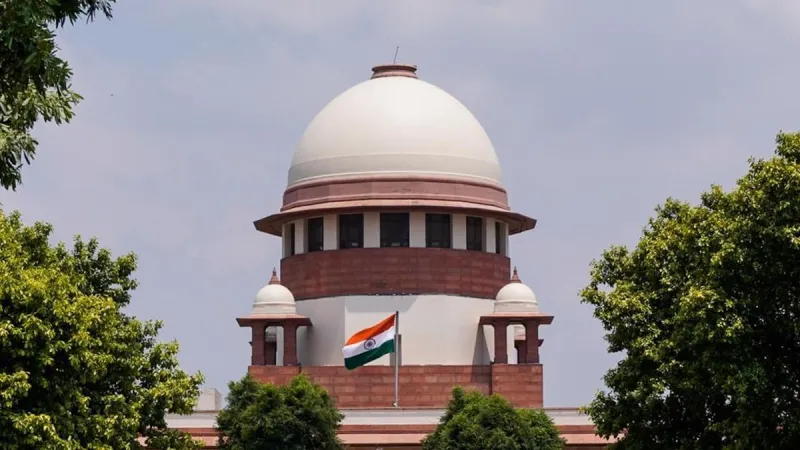
In a significant development at the Supreme Court, the All India Muslim Personal Law Board (AIMPLB) has stated that Islam does not impose any restrictions on women entering mosques for prayers. This assertion directly addresses a long-standing debate and legal challenge concerning women's access to places of worship within the Muslim community. The AIMPLB's submission to the apex court is a clear affirmation of women's rights and a clarification of Islamic jurisprudence on the matter.
The issue of women's entry into mosques has been a point of contention in various parts of the world, with interpretations of religious texts and traditions varying. While some mosques have historically allowed women to pray, others have enforced restrictions, often citing interpretations of Sharia law that suggest women should pray at home. However, the AIMPLB's stance, articulated before the highest judicial body in India, emphasizes that there is no fundamental prohibition in Islam preventing women from offering prayers within mosque premises. This statement is crucial as it comes from a prominent organization that plays a significant role in shaping Muslim personal law in India.
This move by the AIMPLB is seen as a progressive step, aligning with broader movements for gender equality and inclusivity. By formally informing the Supreme Court of this interpretation, the board is not only seeking to clarify religious doctrine but also potentially paving the way for greater access and participation of women in religious life. The legal ramifications of this statement are significant, as it could influence future judgments and policies related to religious freedom and women's rights in India. The Supreme Court's consideration of this submission will be closely watched, as it has the potential to set a precedent for religious inclusivity and challenge traditional interpretations that may have limited women's access to sacred spaces.
No restriction on women entering mosques, AIMPLB tells Supreme Court
Admin
1 Views
2 min read
Source:
The Hindu