A significant political storm is brewing in Nigeria as Senator Adams Oshiomhole has publicly called for the resignation of Senate President Godswill Akpabio. The demand stems from Oshiomhole's assertion that recent amendments to the Senate Standing Orders constitute a "moral crisis," thereby undermining the integrity and principles of the legislative body. This move signals a deepening rift within the ruling party and raises questions about the transparency and fairness of legislative processes.
Senator Oshiomhole, a prominent figure in Nigerian politics and a former governor of Edo State, has been a vocal critic of what he perceives as irregularities in governance. His latest intervention targets the Senate Standing Orders, the set of rules that govern the proceedings and conduct of the upper legislative chamber. The specific amendments that have drawn Oshiomhole's ire are not detailed in the initial reports, but his strong language suggests they are perceived as a betrayal of established norms or a move designed to benefit specific individuals or factions within the Senate.
The term "moral crisis" employed by Oshiomhole is potent, implying a fundamental breach of ethical conduct and a departure from the expected standards of public service. By invoking this phrase, he is not merely criticizing a procedural change but is attacking the very moral foundation upon which the Senate is expected to operate. This accusation carries considerable weight, especially in a political landscape often scrutinized for its ethical challenges.
Senate President Akpabio, a former governor of Akwa Ibom State, is a key figure in the current administration. His leadership of the Senate is crucial for the smooth functioning of legislative business. Oshiomhole's demand for his resignation, if heeded, would create significant political instability and could potentially derail the legislative agenda. The call is therefore not just a personal attack but a direct challenge to Akpabio's authority and legitimacy as Senate President.
The political ramifications of this demand are substantial. It highlights the internal power dynamics within the ruling All Progressives Congress (APC) and could lead to further factionalism. The public perception of the Senate's integrity is also at stake. If the amendments are indeed seen as ethically questionable, it could erode public trust in the legislative institution. The coming days will likely see intense political maneuvering as different factions react to Oshiomhole's challenge and the Senate leadership seeks to manage the fallout from this "moral crisis."
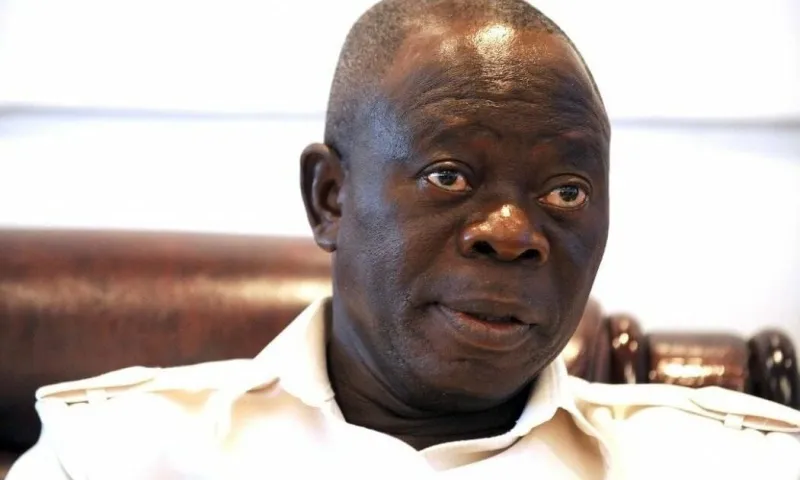
Oshiomhole demands Akpabio's resignation over new rules
Admin
3 Views
2 min read
Source:
Punch Newspapers