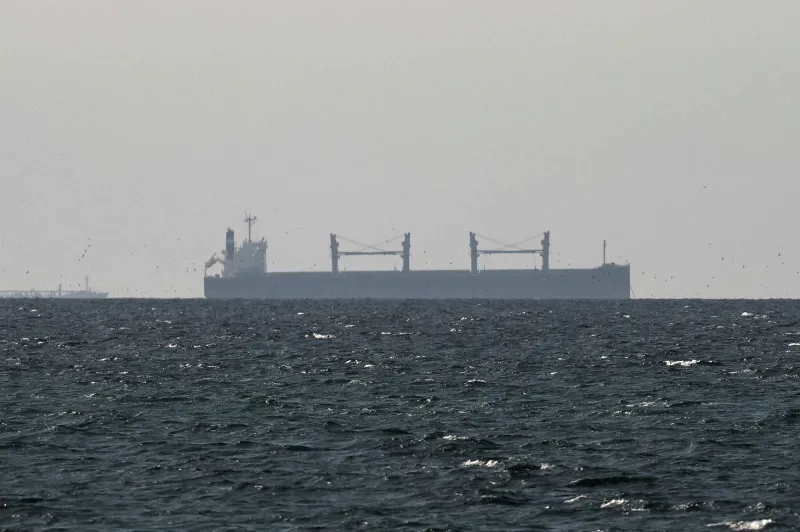
The Strait of Hormuz, a critical chokepoint for global oil and gas shipments, has become a site of significant disruption, with over 100 Philippine (PH) container vessels reportedly stuck in the waterway. This alarming situation, as detailed by Patrick Ronas, president of the Association of International Shipping Lines, is causing considerable logistical challenges and economic repercussions.
The entrapment of these vessels signifies a major impediment to international trade and supply chains. The Strait of Hormuz is one of the world's most important maritime arteries, through which a substantial portion of the world's oil production passes daily. Any disruption in this vital strait can have immediate and far-reaching consequences for energy markets and global commerce.
According to Ronas, the immediate response to this crisis involves a multi-pronged approach. "Because of the vessels being trapped in the strait, a diversion of services is being done," he stated. This indicates that shipping companies are actively rerouting their vessels to alternative routes, which are likely longer and more costly. This diversion strategy aims to mitigate the immediate impact on delivery schedules and to ensure that goods can eventually reach their destinations, albeit with delays.
Furthermore, a "reassessment of the network is also being done." This suggests a broader strategic review of shipping routes and logistics operations in light of the current predicament. Companies are likely analyzing the vulnerabilities of their existing networks and exploring more resilient and diversified options to avoid similar situations in the future. This could involve investing in new routes, expanding port capacities in less volatile regions, or even exploring alternative modes of transportation.
Another critical measure being implemented is "containers being offloaded to other ports." This implies that even if vessels are diverted, the cargo itself needs to be managed. Containers might be transferred to smaller vessels for transit through alternative passages, or they might be temporarily stored at adjacent ports before onward shipment. This process of offloading and re-handling cargo adds further complexity and cost to the supply chain. The situation underscores the fragility of global supply chains and the significant impact that geopolitical events or maritime incidents can have on international trade. The prolonged blockage of the Strait of Hormuz could lead to increased shipping costs, delays in the delivery of goods, and potentially contribute to inflationary pressures.
Over 100 PH container vessels stuck in Strait of Hormuz
Admin
Apr 12, 2026
1 Views
2 min read
Source:
Rappler