Pacific nations aim to tackle regional unrest with expanded Pacific Response Group
Admin
4 Views
2 min read
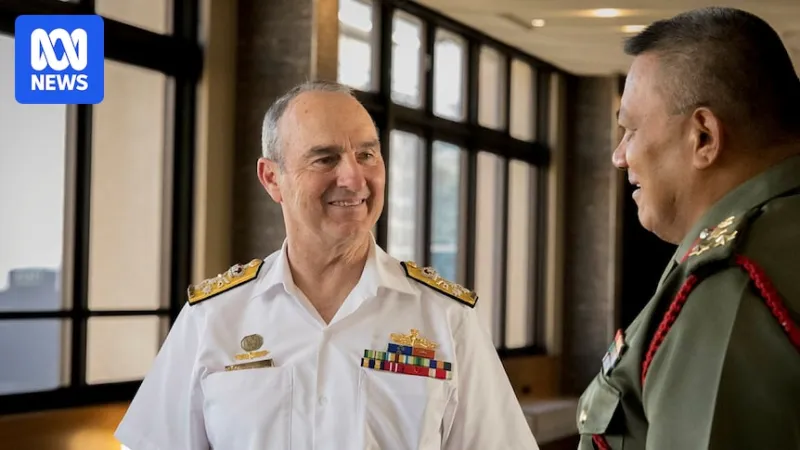
Pacific nations are taking a proactive stance to address escalating regional challenges, with a particular focus on enhancing their collective response capabilities to natural disasters and other crises. The Pacific Response Group (PRG) is at the forefront of this initiative, commencing crucial negotiations for a treaty that will significantly bolster its ability to act swiftly and effectively across the vast Pacific region. This move comes in recognition of the increasing frequency and intensity of natural disasters, such as cyclones and earthquakes, that have consistently impacted island nations, causing widespread devastation and hindering development. Beyond natural calamities, the PRG also aims to provide a coordinated response to man-made crises, including potential political instability and humanitarian emergencies. The proposed treaty is expected to streamline operational procedures, clarify roles and responsibilities among member states, and establish a framework for resource sharing and mutual assistance. This will enable the PRG to deploy personnel, equipment, and aid more rapidly when and where they are needed most, reducing the time lag that has often hampered relief efforts in the past. The expansion of the PRG's mandate and capabilities signifies a growing commitment to regional solidarity and collective security. By pooling resources and expertise, Pacific nations can better protect their populations, safeguard their economies, and foster greater resilience in the face of adversity. The negotiations are seen as a critical step towards solidifying this regional cooperation and ensuring that the Pacific remains a zone of peace, stability, and sustainable development. The success of this treaty will depend on the commitment and cooperation of all participating nations, as they work together to build a more secure and prosperous future for the Pacific.