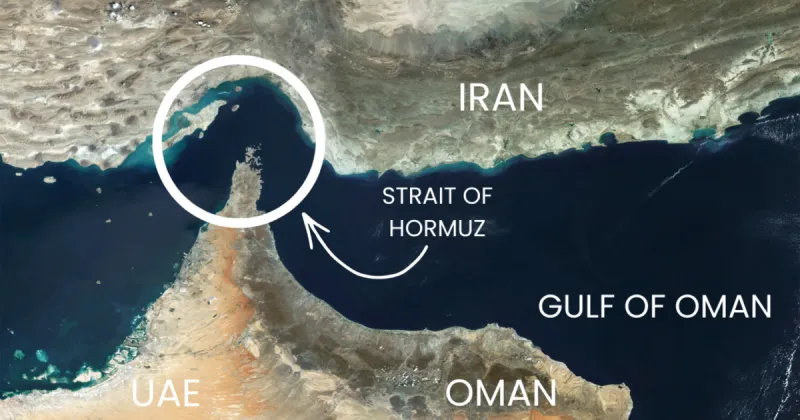
In a significant geopolitical maneuver, Pakistan has officially opened six overland corridors connecting it to Iran. This strategic move aims to facilitate the transit of goods, particularly by providing an alternative route for cargo that has been stranded or facing significant delays due to disruptions in and around the Strait of Hormuz. The activation of these corridors is a direct consequence of the ongoing regional tensions and the increasing need for secure and reliable trade routes that circumvent potential choke points.
The decision to open these land routes is not entirely new. It reactivates a transit agreement that was initially signed between Pakistan and Iran in 2008. However, the current geopolitical climate, marked by heightened tensions in the Persian Gulf and concerns over the free flow of maritime traffic through the Strait of Hormuz, has lent renewed urgency and importance to this dormant agreement. The Strait of Hormuz is a vital chokepoint for global oil supplies, and any disruption there has far-reaching economic implications.
For Pakistan, this initiative offers several key benefits. Firstly, it provides a much-needed avenue to clear the backlog of stranded cargo, which has likely been incurring substantial demurrage charges and impacting businesses. Secondly, it enhances Pakistan's position as a regional transit hub, potentially boosting its own trade volumes and revenue. By offering alternative routes, Pakistan can attract more international trade and solidify its role in regional connectivity.
From a broader regional perspective, the opening of these corridors is part of a larger scramble by various nations to diversify their trade routes and reduce their reliance on maritime passages that are susceptible to geopolitical instability. Countries in the region are actively seeking ways to ensure the uninterrupted flow of goods and energy, especially in light of recent incidents that have threatened maritime security. This strategic diversification is crucial for economic stability and national security.
While the agreement was signed in 2008, its full implementation and the establishment of robust logistical frameworks for these overland routes will likely require further coordination and investment. Nevertheless, the symbolic and practical significance of Pakistan's move cannot be understated. It signals a proactive approach to navigating the complexities of regional trade and a commitment to fostering alternative connectivity in an increasingly volatile environment. The success of these corridors will depend on continued cooperation between Pakistan and Iran, as well as the broader regional and international community's efforts to ensure the security and efficiency of these vital land links.
Pakistan Opens Iran Land Corridors as Region Scrambles for Routes Beyond Hormuz
Admin
1 Views
3 min read