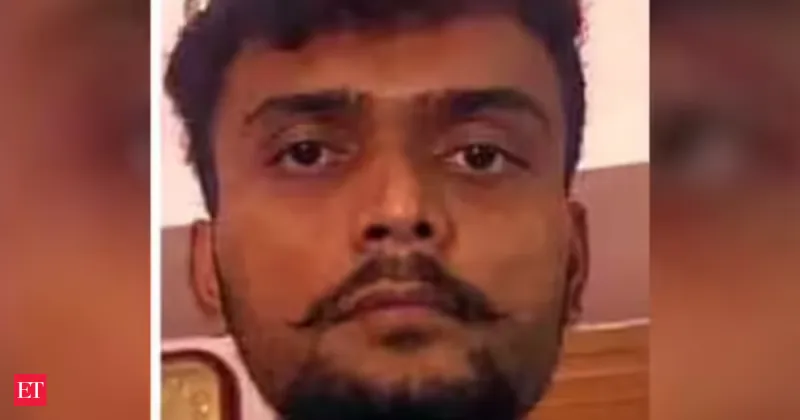
In a disturbing case that highlights the evolving tactics of radicalization, a 22-year-old youth from Odisha, identified as Sheikh Imran, has been arrested by the Delhi Police for alleged links with a radical group. The arrest has sent shockwaves through his family, with his father expressing profound disbelief and anguish, stating he "never thought my son could be anti-national."
Imran, a resident of the Ganga Nagar area in Bhubaneswar, is accused of undergoing short-term cyber terrorism training. The investigation suggests that he was ensnared through a sophisticated 'honey-trapping' operation orchestrated by a suspected Pakistani woman. This tactic, commonly employed by intelligence agencies and extremist groups, involves building a romantic or emotional relationship online to manipulate and recruit individuals.
According to reports, the woman used social media platforms to establish contact with Imran, gradually building trust and intimacy. This online relationship was allegedly used to groom him for involvement in radical activities. The Delhi Police's investigation indicates that Imran was successfully lured into the orbit of a radical organization, potentially for carrying out cyber-attacks or other acts of terror.
The father's reaction underscores the devastating impact of such radicalization on families. The notion that a young person, seemingly integrated into society, could be drawn into extremist ideologies and activities is a source of immense pain and confusion for parents. This case serves as a stark reminder that radicalization can occur through various means, including online grooming and exploitation of personal vulnerabilities.
Authorities are now working to uncover the full extent of Imran's alleged involvement, the network he was connected to, and the specific nature of the cyber terrorism training he received. The involvement of a suspected Pakistani national in the honey-trapping operation raises concerns about cross-border influence and the potential for foreign adversaries to exploit social media for recruitment purposes.
This incident is a wake-up call for parents, educators, and community leaders to be vigilant about the online activities of young people. It emphasizes the need for greater awareness of the risks associated with social media, the importance of open communication within families, and the necessity of robust counter-radicalization strategies that address the digital realm. The case of Sheikh Imran is a somber illustration of how personal connections, even those seemingly innocent, can be weaponized for malicious ends.
Pakistani woman honey-traps 22-year-old Odisha youth into joining radical group; Shocked father says 'never thought my son could be anti-national'
Admin
Apr 14, 2026
2 Views
2 min read
Source:
The Economic Times